Day Trips from Japan

Day Trips from Japan

The best excursions and trips you can do in a day

Japan's rail network makes a compelling case for leaving your base city every single day. The shinkansen and limited express trains run with clockwork precision, multilingual signage takes the guesswork out of navigation, and regional day passes bundle transport with entry fees into flat rates, so the logistics rarely get in the way of the actual experience. From Tokyo alone, you can reach volcanic hot spring resorts, centuries-old temple towns, medieval castles, and bamboo-forested mountain villages all before dinner. From the Kansai region, where Kyoto and Osaka are close enough to share as a base, the options include feudal Japan's finest castle, a Buddhist pilgrimage mountain, and one of the most photographed views in the country. For whatever reason, Japan's day trips tend to be the memories that stick hardest. There's a particular quality to stepping off a bullet train in Hiroshima, watching mist settle over Nara's deer park, or sitting in a cedar-scented bathhouse in Kinosaki as steam rises off the water, moments that reward getting off the main tourist circuit. The best time to visit Japan varies by destination: cherry blossom season (late March to mid-April) favors Himeji and Kamakura, autumn foliage peaks in October and November at Nikko and Nara, and winter brings a different quietness to onsen towns and mountain monasteries that makes them feel even more atmospheric. Most day trips from Tokyo or Osaka fall within one to three hours by express train, making them feasible without an overnight stay, though some, like Koyasan or Hiroshima, reward a longer visit if you can spare the time. JR Pass holders tend to get significant mileage from these excursions. Without a pass, regional day passes like the Hakone Free Pass or Tobu Nikko Pass often make more financial sense for focused trips. A Japan itinerary that mixes city days with day trips to contrast them tends to produce the most satisfying overall travel experience.

Full-Day Trips

Worth dedicating a whole day to explore.

Hakone & Mt. Fuji Views

$40-70 (Hakone Free Pass ~$38 + Romancecar surcharge ~$9 + meals)

Tokyo's default escape, and it deserves the hype. Hakone stitches volcanic valleys, open-air art museums, pirate ships on a crater lake, and, on clear mornings, Mt. Fuji postcard views. The Hakone Free Pass covers the full loop by train, ropeway, and boat, turning even rookies into smooth operators. Clouds roll in by noon, so leave early or you'll miss the show.

Distance
85 km southwest of Tokyo
Travel Time
~85 minutes one-way
Total Duration
8-10 hours
Transport
Odakyu Romancecar express from Shinjuku, book in advance, ~$9 surcharge. JR Pass holders ride to Odawara, then transfer to Hakone Tozan Railway. Hakone Free Pass (~$38) covers the full loop: ropeway, pirate ship, and local buses.
Mt. Fuji views from Lake Ashi, best in early morning before clouds build Owakudani volcanic valley with active sulfur vents and black egg ramen Hakone Open Air Museum featuring Picasso, Henry Moore, and Rodin
Best for: Couples, photography enthusiasts, anyone wanting nature and art in the same day
Mt. Fuji is cloud-free perhaps 30% of days, check live webcams at fujisan.ne.jp before leaving home. Chasing it through overcast skies? Total frustration. Private guided Mt. Fuji area tours (from $320) with a long-time local English-speaking resident offer the best lesser-known vantage points. You'll get a personal itinerary around Lake Kawaguchiko and the Aokigahara forest.

Nikko, Temples, Waterfalls & Cedar Forests

$35-55 (Tobu Nikko Pass ~$32 + Toshogu entry ~$13)

Nikko is where Japanese shrine architecture goes maximum: the Toshogu mausoleum complex is almost absurdly ornate, every surface carved and gilded, set inside forests of ancient cedar that have been growing here since the 8th century. Kegon Falls and Lake Chuzenji add natural drama if you take the mountain bus after the shrines. It's popular, no question, the key is arriving before the tour buses.

Distance
140 km north of Tokyo
Travel Time
~2 hours one-way
Total Duration
8-10 hours
Transport
The Tobu Nikko direct limited express from Asakusa is the fastest way in, Tobu Nikko Pass ~$32 covers train plus local buses. JR Pass holders can gamble on the Shinkansen to Utsunomiya then switch to the JR Nikko line (~$18 one-way without pass).
Toshogu Shrine's Yomeimon gate, one of Japan's most elaborately decorated structures Kegon Falls, a 97-meter drop into a mist-filled gorge Kanmangafuchi Abyss, a row of mossy Jizo statues lining a quiet riverside path
Best for: Mid-October to mid-November is when Kyoto's maples ignite, history buffs, architecture nuts, and leaf-chasers all show up.
Kanmangafuchi Abyss at dawn beats the crowds, 20 minutes on foot from the station, and you'll have it to yourself before 9:30am. Tour buses swarm the main shrine complex by 10:30am. October weekends? Chaos. Tuesday through Thursday? Quiet.

Kamakura, Great Buddha & Coastal Temples

$20-35 (transport ~$12 round trip + entry fees ~$10-15)

Kamakura hides an hour south of Tokyo on a hilly peninsula. Buddhist temples and forested hiking trails weave between mountains and sea. The 13-meter bronze Daibutsu grabs headlines. The real payoff? Walking the Daibutsu Hiking Trail, bamboo groves, quiet temples, zero crowds. Most visitors won't leave the main streets or the Enoden tram. Their loss.

Distance
50 km southwest of Tokyo
Travel Time
~55 minutes one-way
Total Duration
6-8 hours
Transport
Grab the JR Yokosuka line at Tokyo Station, $8 one-way, and you'll hit Kamakura in under an hour. Swap to the Enoshima Electric Railway. The Enoden 1-day pass runs about $5 and strings coastal temples together like beads. Local buses? They'll dump you at the trailheads.
Kotoku-in Great Buddha (Daibutsu), you can walk inside for an extra $1 Hase-dera Temple garden with sea views and cave shrines Daibutsu Hiking Trail through cedar and bamboo connecting Jochi-ji to Hase
Best for: Buddhist temples sit 10 minutes from the surf at Kamakura, good for families who want culture and coast in one bite.
Start at Kita-Kamakura Station, one stop before Kamakura, and walk south through Engaku-ji and Kencho-ji first. You'll hit the temples in a natural order and dodge the worst midday crowds near the main station. Late afternoon on the Enoden coastal stretch, with the sea on one side, is one of the better train rides in the country.

Hiroshima & Miyajima Island

$60-85 without JR Pass, Shinkansen eats most of that. Grab the JR Pass and you'll drop to ~$15 for entries and ferry.

Start with Hiroshima's Peace Memorial Park and you'll finish the day emotionally winded. The Peace Museum is sobering, and sneakily subtle. Budget serious time. Ferry to Miyajima for the floating torii of Itsukushima Shrine at high tide. The vermilion gate does hover, no filter needed. The deer? Shameless snack bandits, Nara-level bold.

Distance
340 km west of Osaka; 220 km from Kyoto
Travel Time
~85 minutes one-way from Osaka
Total Duration
10-12 hours
Transport
Shinkansen (Nozomi or Hikari) to Hiroshima. City tram from station to Peace Park (~25 min, ~$1.50). JR Sanyo line or tram to Miyajimaguchi ferry terminal; 10-min JR ferry to Miyajima (JR Pass covers ferry). Total without JR Pass: ~$90 round trip Shinkansen.
Hiroshima Peace Memorial Park and Atomic Bomb Museum, plan 2+ hours Itsukushima Shrine and the floating torii gate at high tide Mt. Misen hike or ropeway on Miyajima, with views across the Seto Inland Sea
Best for: History and culture travelers, you'll find emotional depth beside natural beauty.
High tide turns Miyajima into a postcard, low tide leaves mudflats. Check the tables first. You'll want late afternoon. Day-trippers vanish. The island breathes again. Grab Hiroshima-style okonomiyaki for lunch. Head to Okonomi-mura near Hatchobori. Layered. Griddled. Nothing like Osaka's version.

Nara, Sacred Deer & Great Buddha

$18-30 (train ~$8-12 round trip + Todai-ji entry ~$6)

Nara's deer cracked the code 1,300 years ago, humans equal food, and they've doubled down ever since. The Todai-ji temple's 15-meter bronze Buddha still dwarfs visitors, even in a country obsessed with scale. Skip the park crowds and you'll find the Naramachi merchant district and the Kasuga Taisha shrine, both quiet, forested, and ignored by the day-trip hordes.

Distance
45 km southeast of Osaka; 35 km from Kyoto
Travel Time
~45 minutes from Osaka; ~35 minutes from Kyoto
Total Duration
5-8 hours
Transport
Skip the JR hype. Kintetsu Nara line runs direct from Osaka Namba or Kyoto Station, faster, simpler, drops you closer to the park. Grab a Kintetsu limited express from Kyoto (~$5 one-way). JR Nara line from Kyoto still works (~$4 one-way).
Todai-ji Great Buddha Hall dwarfs every other wooden structure on Earth. Inside sits Japan's largest bronze Buddha, 15 meters tall, 500 tons of metal cast in 752 AD. The building itself has burned twice, rebuilt smaller each time yet still the world's largest wooden building. Free-roaming deer in Nara Park (~1,200 animals, designated national treasures) Kasuga Taisha Shrine with 3,000 stone and bronze lanterns in the cedar forest
Best for: Families, first-time Japan visitors, anyone wanting culture and nature in one manageable day
Skip the tourist traps. Buy deer crackers (shika senbei, ~¥200) at the park gates, same product, half the price. You'll need them. Isuien and Yoshikien Gardens sit in east Nara, well maintained and almost always empty. These pockets of calm deliver the exact opposite of the deer-mobbing chaos around Todai-ji. Total relief. Book a Kyoto-based cooking class, Kyoto gyoza classes run around $128 and you eat everything you make. Perfect after a Nara morning.

Himeji Castle

$20-40 (train ~$10-30 depending on train type + castle ~$10 + garden ~$5)

Himeji is Japan's finest feudal castle, white-walled, multi-tiered, built to baffle invaders with a maze of gates that would trap them like rats. WWII couldn't touch it; they've restored every beam. The climb? Seven floors of 16th-century timber and stone, steep and narrow. From the top, the city spreads below, worth every step. Spring mornings bring cherry blossoms ringing the moat, producing some of Japan's most reproduced photographs.

Distance
90 km west of Osaka; 110 km from Kyoto
Travel Time
~35 minutes from Osaka by Shinkansen; ~60 minutes by JR Rapid
Total Duration
6-8 hours
Transport
Skip the bullet train. JR Sanyo Shinkansen (Kodama) from Osaka or Kyoto is fast but pricey. Budget travelers: JR Kyoto/Kobe line rapid train from Osaka (~60 min, ~$8) avoids shinkansen cost entirely. Castle is a 15-min walk from Himeji Station.
Himeji Castle interior still holds the 16th-century bones, no reconstructions, no shortcuts. UNESCO stamped it World Heritage for a reason. Koko-en Garden, nine connected traditional gardens beside the castle Cherry blossom season (late March to early April) around the castle moat
Best for: History buffs. Architecture lovers. Spring travelers. Combine with Kobe for one efficient full day, done.
9am sharp, be inside before the 10am tour buses. You'll have the castle to yourself for clean interior shots. Looping back to Osaka? Add a 30-minute Kobe detour and pair Japan's finest castle with Motomachi's proper Kobe beef. A private curated Tokyo tour runs $81, book it to balance your landmark-heavy Japan plan.

Koyasan, Buddhist Mountain Monastery

$35-55 (Nankai Koya Pass ~$23 + bus pass ~$6 + temple entries ~$8-12)

Mount Koya has been Japan's most important Buddhist pilgrimage site since the 9th century. The atmosphere in Okunoin Cemetery at dusk, thousands of stone lanterns lighting a path through 200,000 mossy grave markers under ancient cedar, is unlike anywhere else in the country. Over 110 temples cover the mountain plateau. Kongobuji is the head temple and worth visiting for its rock garden alone. The two-hour journey from Osaka makes it a long day trip. This one tends to stay with people for years.

Distance
85 km south of Osaka
Travel Time
~2 hours one-way
Total Duration
9-11 hours
Transport
Take the Nankai Koya line from Osaka Namba straight to Gokurakubashi, then ride the cable car up to Koyasan. One ticket does it. The Nankai Koya Pass (~$23 from Namba) covers both the train and the cable car in a single swipe. Once you're on the mountain plateau, grab the Koyasan World Heritage Bus day pass (~$6) and hop on and off all day.
200,000 stone monuments. Lanterns flicker. Cedar trunks tower. At dusk, Okunoin Cemetery turns into a corridor of shadows and firelight. Kongobuji Temple and its Banryutei rock garden (Japan's largest) Morning prayers at the temple if you stay overnight (shukubo lodging)
Best for: Japan's contemplative side isn't hiding, it's waiting. Solo explorers, spiritual travelers, anyone chasing the country's ancient pulse will find it in cedar-scented temples, moss-covered shrines, and monks who still chant at dawn.
Leave Osaka by 8am sharp, you'll roll into Koyasan at 10am with hours to spare for the temple complex and a dusk cemetery walk. The lanterns in Okunoin flicker on around 5pm. Plan everything around this single moment. If the day feels rushed, don't rush. Koyasan's shukubo temple lodging, complete with vegetarian Buddhist cuisine, delivers one of Japan's most memorable overnights. Worth every extra step.

Kinosaki Onsen, Traditional Hot Spring Town

$40-65 (train ~$28 round trip + sotoyu all-bath day pass ~$14 + lunch)

Kinosaki Onsen is Japan's most atmospheric onsen town, where the whole point is to put on a yukata, clack around in wooden geta sandals, and wander between seven public bathhouses along a willow-lined canal. Stop for sake and fresh crab between dips. They've been doing this since the 8th century. The sea crab (matsuba-kani) season from November through March makes this trip worthwhile in cooler months, and the crowds are nothing like summer.

Distance
110 km north of Kyoto
Travel Time
~2 hours one-way
Total Duration
8-10 hours
Transport
Two trains an hour leave Kyoto Station bound for Kinosaki, JR Pass valid, no extra charge. The JR Kinosaki Express runs straight through. Ride time is 2.5 hours. Last return rolls out of Kinosaki around 8-9pm. Miss it and you're stuck.
Seven public bathhouses, sotoyu meguri, each flaunts its own baths, its own architecture. No two feel the same. Yukata and geta sandal walks along the willow-lined canal between bathing sessions Matsuba-kani snow crab from November to March, that's your real reason to come.
Best for: Couples, culture travelers, winter visitors, they all want the real thing. An authentic hot spring town experience.
The sotoyu meguri pass covering all seven bathhouses is available at any of the baths, buy it on the spot. Arrive by 11am. Most open at noon, but Sato-no-Yu opens at 7am. Pack a small towel or rent one at the baths (~$1). Weekday visits are noticeably calmer than weekends, if you're doing the Japan itinerary circuit from Kyoto, Thursday or Friday morning departures work well.

Matsumoto Castle & Japanese Alps

$45-65. Azusa express runs about $56 round trip without a JR Pass, brutal. Flash the Pass and you'll drop to roughly $14 plus castle entry at $7.

Matsumoto Castle stands alone, one of Japan's only original feudal castles, black-lacquered, mirrored in its moat, with the Northern Alps rising behind on clear days. The city around it moves at a deliberate pace: old sake breweries, a Yayoi Kusama museum, and excellent soba made from local buckwheat. The Azusa limited express from Shinjuku delivers you in two-and-a-half comfortable hours through mountain valleys, scenic enough to warrant the trip itself.

Distance
200 km west of Tokyo
Travel Time
~2.5 hours one-way
Total Duration
8-10 hours
Transport
Grab a seat on the JR Azusa or Super Azusa limited express from Shinjuku, book ahead on weekends, trust me. The ride costs ~$28 one-way. From Matsumoto Station, the castle is a straight 15-min walk.
Matsumoto Castle, original 16th-century construction with working original interior (not a reconstruction) Nakamachi historic kurazukuri warehouse district for sake tasting Yayoi Kusama Museum (book timed entry weeks in advance)
Best for: Castle nuts, art hounds, mountain addicts, Matsumoto delivers. You'll trade Nikko's tour buses and Himeji's selfie scrum for a town that still feels lived-in. The keep rises black against the Alps; inside, warlords' armor glints under low beams. Down the street, the Japan Ukiyo-e Museum hangs complete Hokusai sets you'd queue hours for in Tokyo. Ten minutes by bus, the Kamikōchi valley starts: turquoise rivers, 3,000-meter peaks, zero crowds. Stay for ¥8,000 a night in a ryokan with cypress baths. Less-crowded. Better.
Weekends sell out weeks ahead, check Kusama Museum's timed-entry tickets before you book. Castle stairs stay narrow and steep. Bring sturdy shoes. Morning light hits the black-lacquered walls from the moat's east side, that is your money shot.

Kawagoe, Little Edo

$15-25 (transport ~$8 round trip + small entry fees ~$3-5)

Thirty kilometers northwest of Tokyo, Kawagoe keeps a tight cluster of Edo-period clay-walled warehouses (kurazukuri) that outlasted both fires and developers across the centuries. You can cover it on foot. It's charming. You won't need a full day, perfect when you want history without a two-hour slog. The Kashiya Yokocho candy alley and the solid Kitain Temple finish off a satisfying half-to-full-day trip that most visitors outside Japan still haven't heard of.

Distance
30 km northwest of Tokyo
Travel Time
~30-40 minutes one-way
Total Duration
4-7 hours
Transport
Tobu Tojo Express from Ikebukuro, 30 minutes, $3. Done. The Seibu Shinjuku line from Seibu-Shinjuku Station works too, 45 minutes, slightly longer ride. Most sights sit within walking distance of Hon-Kawagoe Station.
Kurazukuri clay warehouse historic district (intact Edo-period streetscape) Kashiya Yokocho candy lane, traditional sweet shops in business for 150+ years Kitain Temple, the only surviving Edo-castle architecture left in greater Tokyo.
Best for: Skip Nikko. Kawagoe delivers Edo without the slog. Culture hunters, families, photographers, anyone chasing authentic Edo atmosphere, this is your shortcut. No temples. No crowds. Just 30 minutes from Tokyo.
Weekday mornings are calm. The light is good for photos, until noon on weekends, when the main kurazukuri street turns into a slow-moving river of people. Grab the local sweet potato products while you can. The imo-related snacks and soft-serve are Kawagoe's calling card, sold from tiny shops wedged between the warehouse district's dark wooden facades. Want more feudal flavor? Samurai training Kendo experiences in nearby Osaka (~$128, beginner-friendly, no experience required) round out the day-trip theme with sweaty authenticity.

Half-Day Options

Shorter excursions when time is limited.

Yokohama, Chinatown & Waterfront (from Tokyo)

$15-30 (transport ~$6 round trip + museum entry ~$5 + lunch)

Thirty minutes from central Tokyo sits Japan's second city, Yokohama, with a personality you won't confuse with the capital. Cosmopolitan port history. Japan's largest Chinatown. The sleek Minato Mirai waterfront. The surprisingly engaging Cup Noodles Museum. All this makes a half-day trip essential when you need to escape Tokyo's crush for something airier, more international in feel.

Duration
3-5 hours
Transport
JR Yokosuka or Tokaido line from Tokyo Station, 30 minutes, $3 one-way. Done. Tokyu-Toyoko line from Shibuya also works, 30 minutes, $2.50.
Yokohama Chinatown, 600+ restaurants, best soup dumplings outside Shanghai Minato Mirai waterfront and Landmark Tower observation deck Custom ramen at Cup Noodles Museum, worth every yen. You'll design your own cup, pick soup base and toppings, then watch it sealed. The whole process feels like kindergarten art class with better payoff. Entry runs ~$5.

Uji, Matcha Culture & Byodoin Temple (from Kyoto)

$12-20 (transport ~$3 round trip + Byodoin entry ~$7 + matcha tasting ~$5-8)

Japan's matcha capital sits 17 minutes from Kyoto, Uji. The Phoenix Hall at Byodoin Temple, an 11th-century structure mirrored in its lotus pond, graces the back of every 10-yen coin and matches its image well. The approach road overflows with matcha shops pushing soft-serve, soba, parfaits, tea tastings, prices scattered across the board.

Duration
3-4 hours
Transport
JR Nara line from Kyoto Station to Uji (~17 min, ~$2 one-way). Kintetsu Kyoto line to Kintetsu-Uji also works (~30 min from Kyoto).
UNESCO stamped it. Byodoin Temple Phoenix Hall, Japan's most beautiful building. Matcha soft-serve and tea tasting shops along Uji bridge street Ujigami Shrine, believed to be Japan's oldest surviving Shinto shrine structure

Kobe, Sake, Foreign Settlement & Beef (from Osaka)

$25-90 depending heavily on whether you splurge on Kobe beef, from $50 for a proper lunch.

Thirty minutes from Osaka by express train, Kobe flips the script, hillier streets, European air, a preserved Victorian-era foreign settlement district that doesn't feel like Japan at all. The sake-brewing neighborhood welcomes walk-ins, tours cost nothing. Certified Motomachi restaurants serve Kobe beef at prices that feel more reasonable in context.

Duration
3-5 hours
Transport
JR Kobe line rapid express from Osaka (~30 min, ~$3 one-way). Sannomiya is the main Kobe hub, most sights within walking distance or a short bus ride.
Kitano-cho foreign settlement, intact Victorian and Meiji-era Western-style residences The Nada sake district hands out free tastings at major breweries, Hakutsuru, Kiku-Masamune. A proper Kobe beef lunch at a certified Motomachi restaurant will run you $50-80.

Arashiyama Bamboo Grove & Zen Gardens (from central Kyoto)

$15-25 (transport ~$4 round trip + Tenryu-ji ~$9 + monkey park ~$6)

Kyoto's western hills hide a bamboo grove so photogenic it feels unreal, camera batteries die here. The large Tenryu-ji Zen garden spreads below it, while a monkey park perches above the tree line with views over the whole city. Technically within Kyoto, 15-20 minutes from the city center. But operating as a world apart from the temple-dense center.

Duration
3-5 hours
Transport
JR Sagano line from Kyoto Station to Saga-Arashiyama (~15 min, ~$2). Quick. Cheap. Randen tram from Shijo-Omiya (~25 min) for a more scenic and characterful approach.
Sagano Bamboo Grove, arrive before 8am to experience it without crowds Tenryu-ji Temple Zen garden (UNESCO World Heritage, ~$9 entry) Iwatayama Monkey Park for sweeping views over Kyoto from above the tree line

Fushimi Inari Full Trail (from central Kyoto)

$5-10 (transport only. Shrine and mountain trail are free to enter)

Twenty minutes. That's all most visitors give the famous torii tunnel before they pivot and march back to the bus. The full summit trail, two-plus hours of climbing through thousands of gates into forested mountain, spits you out where the crowds evaporate and the mood shifts into something almost monastic. Treat it as a dedicated half-day, not a rushed side stop during a packed Kyoto day.

Duration
3-4 hours (full summit round trip)
Transport
JR Nara line from Kyoto Station to Inari Station (~5 min, ~$1.50). Keihan line to Fushimi-Inari Station also works. Shrine entrance is free.
Dense torii tunnel sections, best light and fewest people before 7:30am Yotsutsuji junction at mid-mountain for the first open views over Kyoto Forested upper mountain hides shrines and tea stalls at 2,500 meters, higher than you'd expect.

Day Trip Tips

Make the most of your excursions.

  • One Hiroshima day trip will cover your JR Pass, $90 round trip without it. Do the math first. List every planned ride, tally the real numbers. If you're staying in Kansai, regional passes like the Kansai Thru Pass or Osaka Amazing Pass usually win on price.
  • Golden Week (late April to early May), Obon (mid-August), and autumn foliage season (late October to mid-November), book limited express and shinkansen seats now. Unreserved cars do exist on most express trains but fill fast on weekends. Reserved seats cost only a few dollars more and are worth it for peace of mind.
  • Cherry blossoms explode across Himeji and Kamakura from late March to mid-April, book now or miss them. Japan's weather swings hard between seasons, and your day trips will feel every shift. October to November paints Nikko and Nara in impossible reds. Winter dumps snow on Nikko while Kinosaki's onsen towns slip into a hush you'll never forget. Summer humidity turns temple hiking into a slog, build this into your Japan itinerary planning or you'll regret it.
  • Touch down, tap your phone, and you're moving. IC cards, Suica or Pasmo, both loadable on Apple Pay and Google Pay, cover every local train, bus, and ferry across Japan. Load ¥3,000-5,000 at the airport kiosk, then top up at any convenience store when the balance dips. Swipe the same card at Family Mart, Lawson, and 7-Eleven for onigiri, hot coffee, or a ¥120 egg sandwich, perfect fuel when you're day-tripping and can't face another ¥2,000 station bento.
  • Start early. Almost every popular day trip destination is more atmospheric before 10am than after noon. Arashiyama's bamboo grove, Okunoin Cemetery in Koyasan, the main shrine complex at Nikko, and Fushimi Inari's upper mountain all reward early arrivals with better light, fewer people, and a different atmosphere.
  • Osaka sake tasting and takoyaki cooking sessions (~$71) sell out fast. Kyoto private tea ceremonies in a samurai house (~$130) vanish even quicker. Pair these cultural experiences with day trips as morning or evening activities. Book them the same day as a shorter day trip like Nara or Uji. This makes efficient use of travel days.
  • Japan's adventurous side isn't hard to reach. Day trips deliver real hiking, well beyond temple-walking. Mt. Misen on Miyajima rewards the climb. So does the Daibutsu Hiking Trail in Kamakura. The full Fushimi Inari summit? Worth the effort. And the Koyasan forest trails, quiet, atmospheric, largely crowd-free compared to the main attractions. All four deliver.
  • Konbini squatting beside ticket gates are the day-tripper's secret armoury, 100-yen water, 110-yen onigiri, 400-yen rain ponchos, 540-yen charger cables, and coffee that doesn't suck. Family Mart, Lawson, don't sniff. When the clock or wallet is bleeding, they're your five-minute, 500-yen lunch.

Book These Day Trips

Top-rated excursions you can book now.
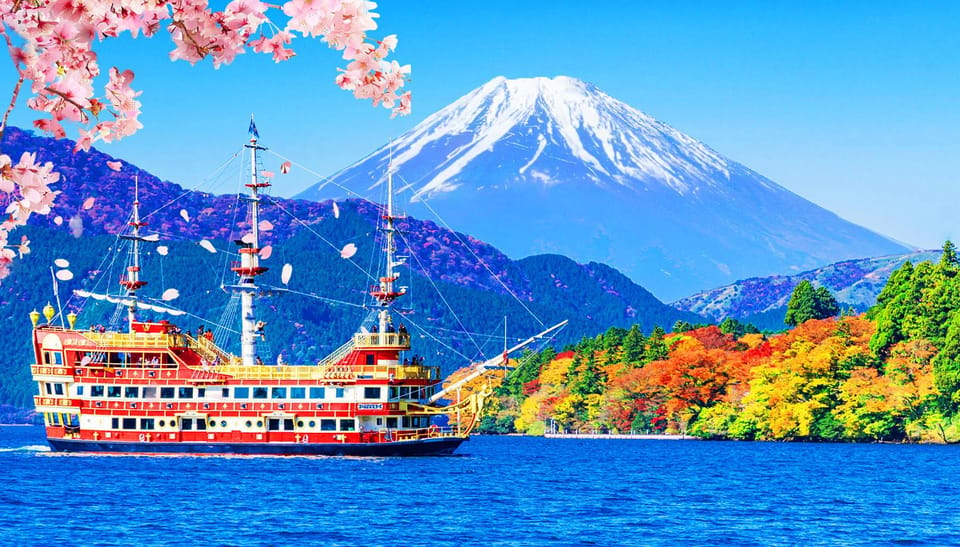
Mt. Fuji Tour, Hakone Ropeway, Owakudani, Lake Ashi

Mt. Fuji Tour, Hakone Ropeway, Owakudani, Lake Ashi

4.7 4889 reviews from $75

Start a scenic journey to explore Mt. Fuji
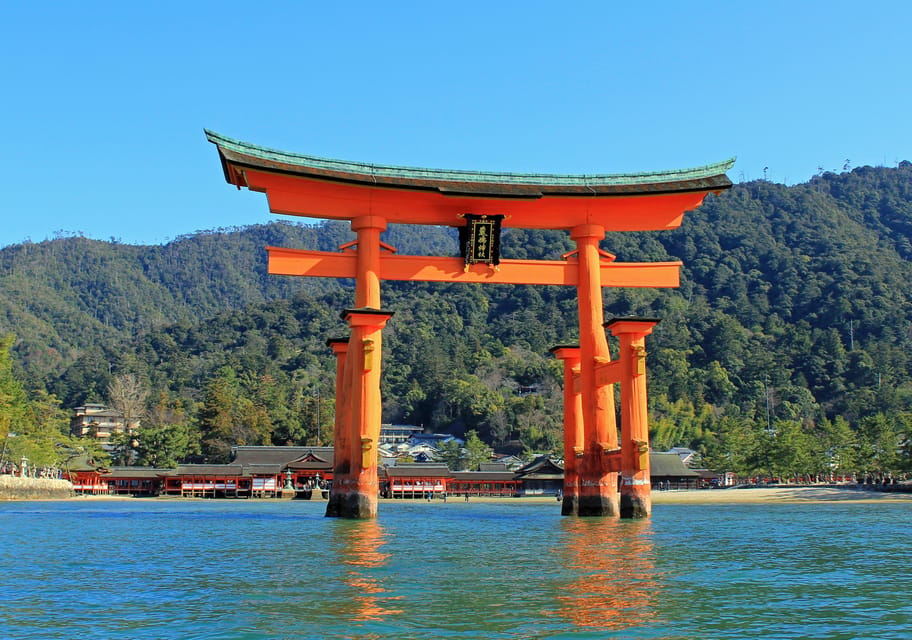
Hiroshima and Miyajima UNESCO Sites 1-Day Tour

Hiroshima and Miyajima UNESCO Sites 1-Day Tour

4.9 2668 reviews from $119

Join us on an enriching day tour of Hiroshima
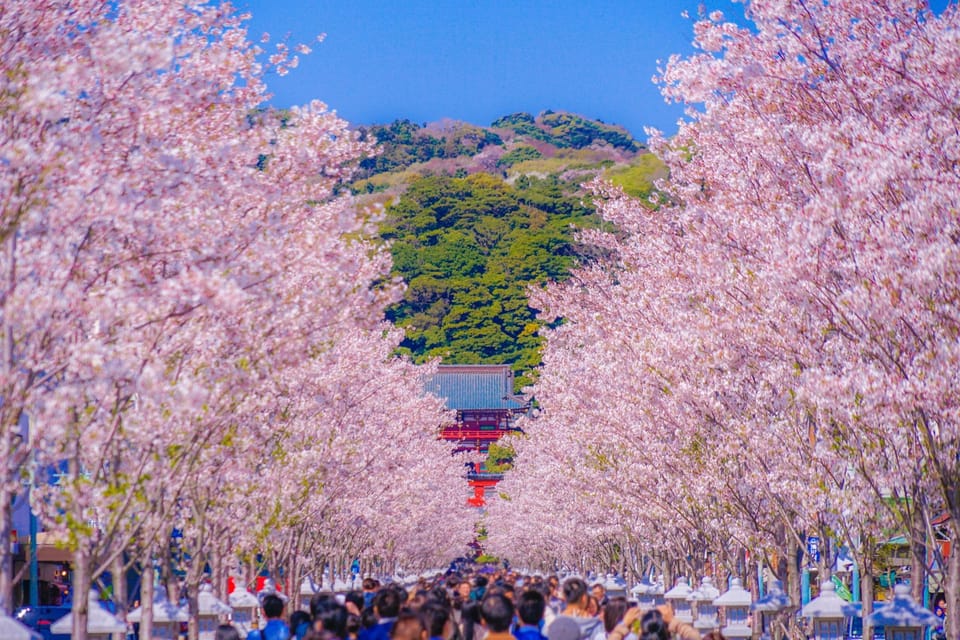
Kamakura & Enoshima Day Trip including Temple Tickets

Kamakura & Enoshima Day Trip including Temple Tickets

4.5 1441 reviews from $63

Discover Kamakuras highlights including the Great Buddha
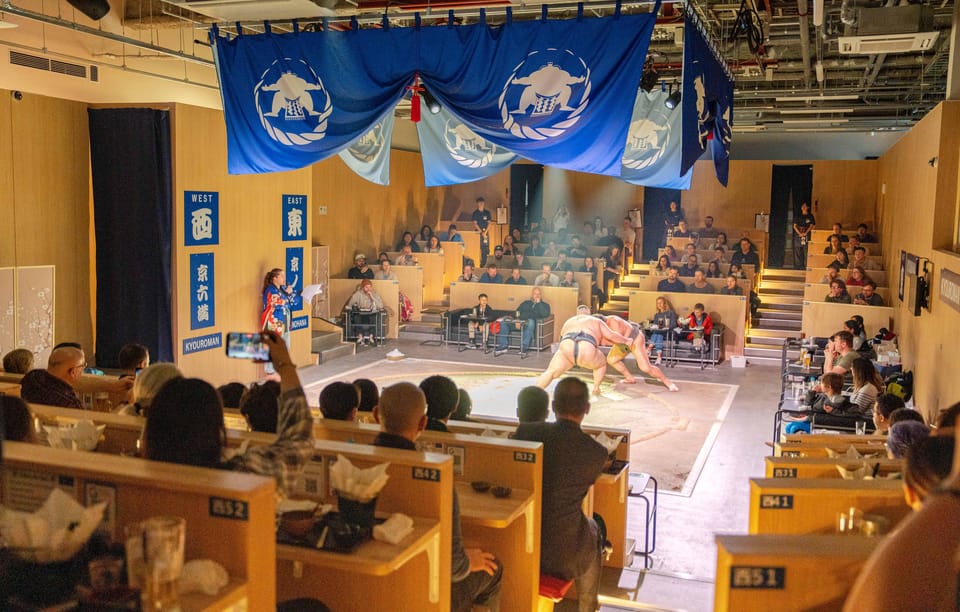
Sumo Show Experience with Chicken Hot Pot & Souvenir

Sumo Show Experience with Chicken Hot Pot & Souvenir

4.8 392 reviews from $63

Experience the world of sumo in Kyoto with a live entertainment show.

Cozy Tokyo Class: Ramen, Sushi, Sake Pairing & Cultural Exchange

Cozy Tokyo Class: Ramen, Sushi, Sake Pairing & Cultural Exchange

5.0 86 reviews from $128

At Ramen Cooking Tokyo, we offer an immersive cooking class that goes beyond cooking, emphasizing genuine cultural exchange. Our English-friendly Japanese hosts warmly welcome guests into an intimate,
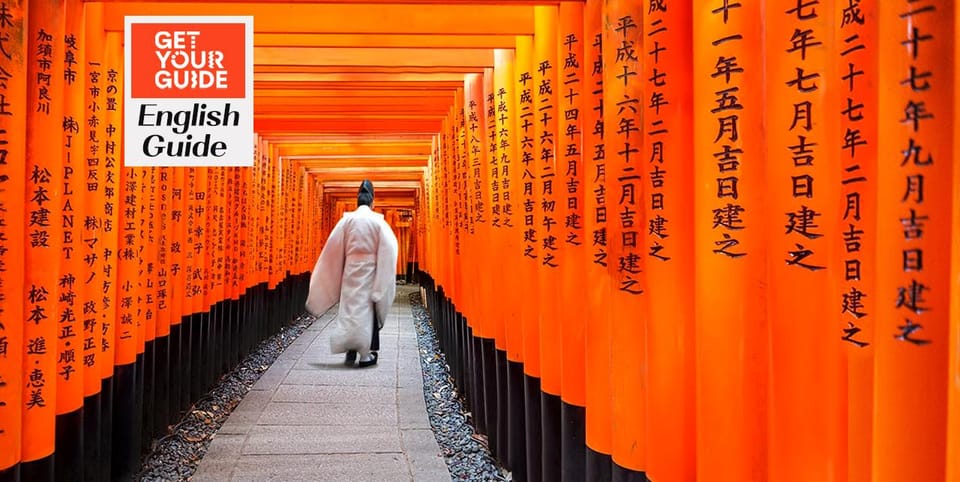
Kyoto/Osaka: Nara, Fushimi Inari Taisha, Arashiyama Bus Tour

Kyoto/Osaka: Nara, Fushimi Inari Taisha, Arashiyama Bus Tour

4.7 1581 reviews from $78

Join a tour from Osaka or Kyoto. See Naras tame deer

Explore Activities in Japan

Didn't see anything interesting yet?

Browse Viator's full catalog of tours, day trips, food experiences, and private guides in Japan.

See All Japan Tours on Viator