
Things to Do in Japan in February
February weather, activities, events & insider tips
February Weather in Japan
Temperature, rainfall and humidity at a glance
Is February Right for You?
Weigh the advantages and considerations before booking
- + February only. The Sapporo Snow Festival (Yuki Matsuri) turns Odori Park into a 1.5 km (0.9 mile) outdoor gallery, ice and snow sculptures, some 15 m (49 ft) tall, carved by international teams over weeks. Asia's great winter spectacle. No other month can match this reason to come to Japan.
- + February is the quiet month. Kyoto's signature sites empty out, and you can finally move. The bamboo grove at Arashiyama, normally a shoulder-to-shoulder crush during autumn foliage and cherry blossom season, turns walkable in February. Slow, even contemplative. Snow sometimes dusts the stalks. You'll hear the hollow knock of bamboo in the wind. That sound is the whole point of going.
- + Snow falls. You're in 40°C (104°F) water. That is the onsen moment you'll replay forever. Cold weather flips the entire experience, rotenburo becomes a private theater where steam and snow fight above your head. Hakone, Noboribetsu in Hokkaido, and Beppu in Kyushu all deliver this, and February pushes it to its rawest form.
- + Serious skiers call it Japow, Hokkaido's trademark. Niseko, Furano, and Rusutsu among them receive the driest, lightest powder on earth: 8-15 m (26-49 ft) every season. February delivers the heaviest dump. If powder skiing is what you want, this is the month and nowhere else in Asia comes close.
- − At 5°C (41°F) in Tokyo with wind after dark, it feels closer to -2°C (28°F). Japan's winter cold is damp, and damp cold cuts through layers differently than the dry cold of mountain destinations at equivalent temperatures. Visitors arriving from tropical climates consistently underprepare, and Japan rewards walkers who cover 10-15 km (6-9 miles) per day on foot. Pack heavier than you think you need to.
- − The Sapporo Snow Festival sells out fast. Accommodations in the city vanish 3-4 months before early February. Prices leap to annual highs, no exceptions. You'll commute from neighboring towns like Otaru instead, adding 45-60 minutes each way to every day in the city. Book the moment you confirm travel dates. Waiting until the month before won't work.
- − February isn't off-limits for Japan's warmest island destinations, Okinawa and the Ryukyu chain. But expect them running half-speed. The ocean drops to 21-22°C (70-72°F), several dive operators slash their timetables, and Okinawa's weather flips moody with extra grey, drizzly days. If tropical ocean experiences top your list, late April through early June delivers far more certainty.
Best Activities in February
Top things to do during your visit
February dumps the best snow on earth, Hokkaido's ski resorts get the world's finest powder. Cold air and Sea of Japan moisture whip up dry, light flakes skiers simply call Japow. Niseko's linked resort area sprawls across dormant volcano Mount Yotei, set up for foreigners with English signs and lessons. Furano sits 130 km (81 miles) and about 2.5 hours by bus from Sapporo, pulling locals onto quieter runs over excellent terrain. Runs swing from gentle groomers to steep tree lines, and surrounding peaks make you feel you're skiing somewhere remote, even when lifts spin. Guided powder tours pay off for tree skiing. You need someone who knows where safe snow stops and avalanche danger starts. Check current tour options in the booking section below.
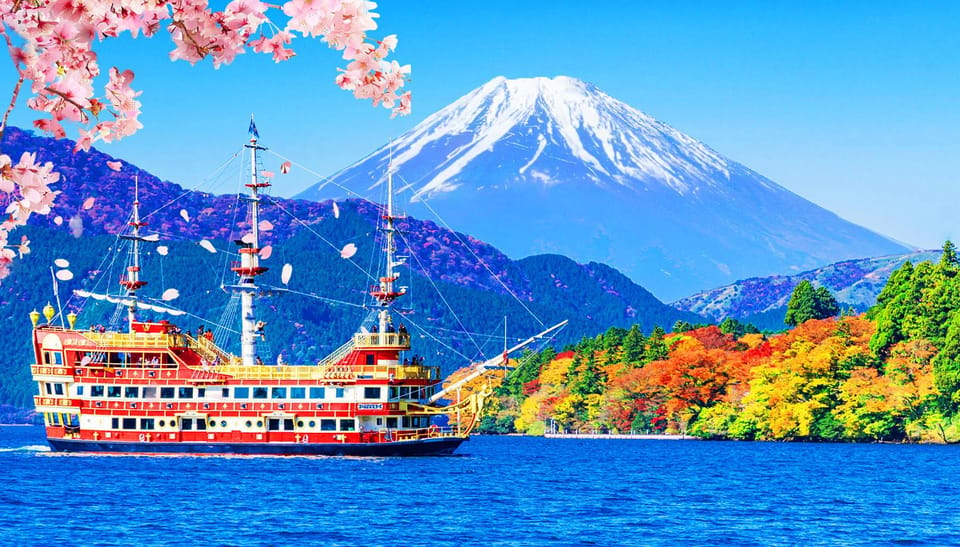
Hakone sits 80 km (50 miles) southwest of Tokyo in volcanic Fuji-Hakone-Izu National Park. February locks in its reputation as Japan's easiest onsen escape. The setup is simple. Snow-dusted cedar forests. Volcanic springs pushing out of hillside rock at 40-45°C (104-113°F). Traditional ryokan inns where kaiseki meals slide across lacquered trays and the house creaking through cold night is the only soundtrack. The light seals the deal. Mount Fuji at 3,776 m (12,388 ft) wears a crisp snow cap against winter's hard blue sky. Views from Hakone Open-Air Museum and the sulphurous Owakudani volcanic valley hit their sharpest of the year. Book one night minimum. Wake early for the outdoor bath. Eat breakfast. Take a slow hike. Soak again in the afternoon. Eat kaiseki dinner beside a charcoal brazier. Day-tripping from Tokyo? You'll miss the entire rhythm. Check current overnight and day-trip tour options in the booking section below.
February 3rd, Setsubun. Japan's traditional winter curtain call explodes in roasted soybeans. Temples and shrines across the country erupt in mamemaki, the ritual bean-throwing that boots evil spirits and rolls out the red carpet for good fortune. Naritasan Shinshoji Temple sits 60 km (37 miles) from central Tokyo near Narita Airport. Sumo wrestlers. TV personalities. Priests. All hurl beans together while thousands pack the temple grounds. The energy is raw, unfiltered. Kyoto's Yasaka Shrine spreads its Setsubun magic across the evening. Geiko and maiko from Gion step into rituals that feel ancient, not some tourist show. You'll feel the difference in your bones when you're standing there. Words fail. Tokyo's Sensoji Temple in Asakusa keeps things compact. The ceremony itself is smaller. The surrounding streets? Total chaos, in the best way. Food stalls everywhere pushing ehomaki, those thick sushi rolls you eat whole, in silence, facing whatever direction the year's luck demands. Every convenience store in Japan stocks them too. This isn't some staged performance. It's culture happening right now. No booking needed, just show up at any major temple by late morning on February 3rd. Guided cultural tours covering multiple Setsubun sites wait in the booking section below.
Cherry blossoms hog the spotlight. But February belongs to ume, plum blossom, peaking late February in Kanto and Kansai. Mito Kairakuen in Ibaraki Prefecture, 130 km (81 miles) north of Tokyo on the Joban Line, 75 minutes by express train, ranks among Japan's three great traditional gardens. Roughly 3,000 plum trees in 100 varieties bloom white through pale rose to deep magenta. The visual punch, trees against grey winter sky, is quietly spectacular. Less theatrical than sakura, more subtle, perfumed with cold-sweet scent hanging over still mornings. The Mito Ume Matsuri plum festival runs mid-February to mid-March; timing a visit around peak bloom is art, not certainty. The Japan Meteorological Corporation drops annual bloom forecasts late January, and local guides use these to nail day tour timings. Easy day excursion from Tokyo, straightforward train access.
Susukino's ice sculptures steal the show, most visitors never see them. The Sapporo Snow Festival runs for roughly a week in early February and centers on three sites: Odori Park, where international teams build massive snow sculptures along a 1.5 km (0.9 mile) stretch of the city's central boulevard; Susukino, the entertainment district six blocks south, where ice sculptures glow at night under bar signage. And Tsudome, an outdoor venue in the city's northeast with snow slides and participatory activities. The ice sculptures in Susukino tend to be more intricate and artistically ambitious than the large snow pieces in Odori, they are lit in a way that photographs well after dark, and most visitors spend all their time in Odori and miss them entirely. Go to Susukino first, after dark. Guided walking tours that explain the engineering and competition judging process behind major sculptures add a layer that self-guided visiting cannot. The city is bitterly cold during the festival, typically -8 to -2°C (18 to 28°F), and wind chill at the outdoor venues is significant. See current guided tour options in the booking section below.
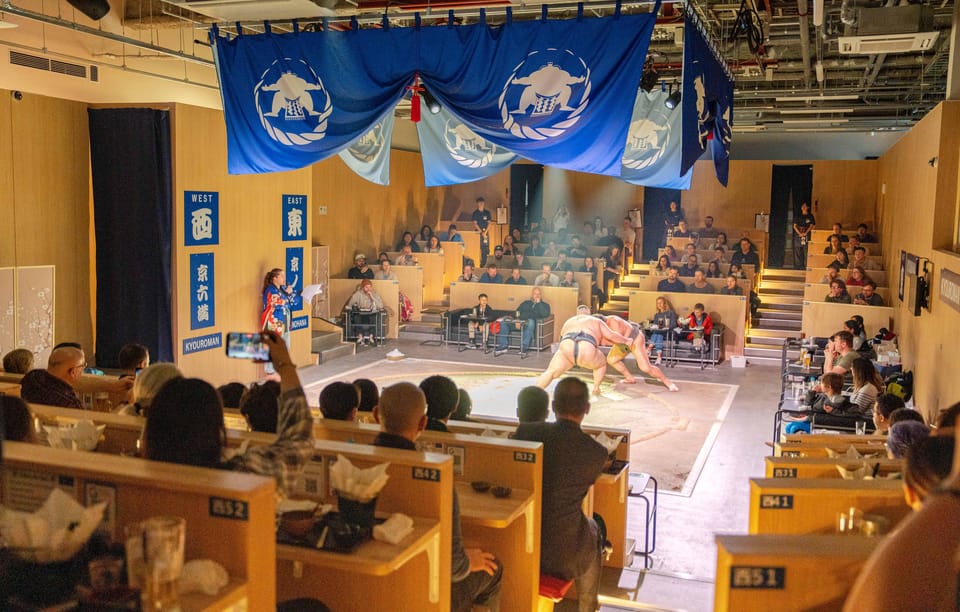
February is when Japan's hot-pot culture peaks. Nabe, the catch-all term for pots simmered right at your table, is the country's weapon against winter, and the variety explodes this month. You've got chanko-nabe, the protein-heavy stew that fuels sumo wrestlers; shabu-shabu with its paper-thin sliced beef. And the fermented punch of kimchi nabe in the Korean-influenced neighborhoods around Tsuruhashi in Osaka. Tokyo's Shinjuku district delivers the other half of the equation. The narrow alleys of Omoide Yokocho (Memory Lane) and the maze of Golden Gai, roughly 200 tiny bars crammed into six alleys, most seating fewer than a dozen people, fill with charcoal-grilled yakitori smoke and cold night air. Winter makes the contrast brutal: the chill outside versus the warm press of bodies inside. Half the experience. Osaka doubles down. Fugu (blowfish) becomes a February specialty, and the city's food obsession turns serious. Osakans even have a word for it, kuidaore, eating yourself into ruination. Guided food walking tours through these districts at night, led by locals who can translate menus and negotiate entry to tiny establishments that won't seat walk-in foreigners, transform a good meal into an education. This is the Japan food experience most first-time visitors miss on their own. See current options in the booking section below.
February Events & Festivals
What's happening during your visit
February 3rd flips Japan's ancient switch. On the final winter day, priests, sumo wrestlers, and local celebrities hurl roasted soybeans into packed temple grounds, shouting 'Oni wa soto, fuku wa uchi', demons out, luck in. Naritasan Shinshoji Temple near Narita Airport swells with tens of thousands; Yasaka Shrine in Kyoto's Gion district has geiko and maiko joining priests in rituals unchanged for centuries. The ehomaki ritual matters just as much, devour an uncut thick sushi roll in silence while facing the year's lucky compass direction. Every convenience store in Japan loads shelves for this. Setsubun stays a neighborhood rite, not a staged show, and showing up at any major shrine on February 3rd without a plan still works.
Two million people. One week in February. That's the Sapporo Snow Festival, no hype, just cold math. They flood into Odori Park, Susukino, and Tsudome for snow sculptures that scrape 15 m (49 ft) skyward, carved by international teams who treat packed powder like marble. Down in Susukino's entertainment district, ice sculptures glow under night lights. Grab your shots on day two or three, after that, trampling boots and rising daytime temps blur every crisp edge. Entry to the main outdoor sites is free. The cold is brutal and honest: gear up for -10°C (14°F) plus wind and you'll stay warm. Reserve your Sapporo bed the instant you lock in travel dates. The city sells out, completely.
Atami in Shizuoka Prefecture, 100 km (62 miles) southwest of Tokyo, delivers Japan's earliest plum festival. Hop off the Tokaido Shinkansen after 35 minutes. Most Tokyo-to-Kyoto riders never do. Atami Baien packs 450 trees that erupt late January through February. The coastal microclimate cheats winter. Inland groves lag behind. Expect taiko drums, shamisen licks, food stalls hawking umeshu and ume sweets, and mapped paths threading the grove. Stand still at peak bloom. Cold-sweet perfume locks into memory. Atami isn't a detour, it's the reason to break a bullet-train sprint.
Packing Checklist
Bookmark this page — your progress is saved between visits
Essential Tips
Insider knowledge and common pitfalls to avoid
Book Experiences in Japan
Top-rated things to do in Japan this February

Didn't see anything interesting yet?
Browse Viator's full catalog of tours, day trips, food experiences, and private guides in Japan.
See All Japan Tours on Viator