
What to Pack for Japan
Complete packing checklist tailored to Japan's climate and culture
Climate Overview for Japan
Japan's seasons swing hard, and your suitcase has to keep up. From June to August, humidity wraps the country like a wet towel, linen and cotton are your allies. December through February, Tokyo and Kyoto turn sharp and cold. Pack insulation or shiver. Spring and autumn behave: mild days, sudden showers, cherry petals or maple leaves stuck to your coat. Whatever the calendar says, layers are non-negotiable. Check the Japan forecast before you zip the bag, sticky sidewalks or snow-dusted temple steps decide what makes the cut.
Clothing & Footwear

Expect miles of lacquered temple boards, uneven cobblestones, and unforgiving concrete. One pair of well-cushioned shoes keeps your feet from waving the white flag halfway through the day.
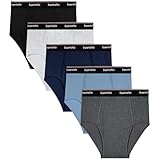
Summer sweat doesn't evaporate, it clings. Quick-dry shirts and underwear buy you comfort, and packing three changes beats hunting for a coin laundry that may not exist in your ryokan.

Japanese hotel closets and ryokan cupboards are famously stingy. Compression cubes turn a week's worth of clothes into a neat brick that still leaves room for the souvenirs you swear you won't buy.

A fist-sized packable tote earns its keep on every side trip, Kamakura's Great Buddha, Nara's deer, Kyoto's market lanes. It swallows a wet umbrella, an impulse-bought bento, and the ceramic cup you couldn't resist.
Electronics & Gadgets
Type An and B, two flat pins, every socket in the country follows the rule. Slip the adapter in before you land and you'll charge in Tokyo skyscraper hotels, machiya guesthouses, and smoky Osaka cafés without begging the front desk.

Google Maps, menu translation, and a thousand photos per temple eat batteries faster than sushi plates spin past your seat. A 10,000 mAh bank delivers a full recharge while the shinkansen glides between cities.

One cable always knots, frays, or walks off. Bring three: phone, power bank, camera. You can refuel everything at once, even when the only free outlet is halfway under a cramped train-seat.

Shinjuku Station's announcements echo, bullet trains rattle, izakaya alleys roar. Noise-canceling earbuds carve out a private silence so you can hear your own playlist instead of the chaos.

Older ryokan sometimes offer a single lonely outlet behind the tatami. A compact strip turns that lone socket into three USB ports and two plugs, keeping every gadget alive without rearranging the furniture.
Toiletries & Health

A TSA-approved quart-size pouch gets you through security in minutes and corrals toiletries in bathrooms the size of an airplane galley. Counter space is a luxury you won't find.

Ceramic edges bite, Fushimi Inari's stone steps blister. A basic kit, band-aids, antiseptic, tape, buys you time until you locate a pharmacy whose labels you can't read.
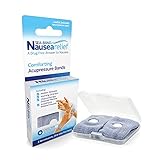
Hakone's switchbacks and the Miyajima ferry can turn stomachs. A pair of acupressure wristbands offers drug-free relief when the road or the sea gets lumpy.

Solid shampoo and conditioner bars never explode in your suitcase and slide straight through security. They also occupy half the volume of bottles, critical when ryokan shelf space is measured in centimeters.
Documents & Security
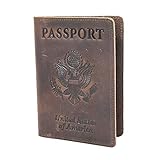
Tokyo Station's crowds are a pickpocket's playground. An RFID-blocking sleeve keeps your passport safe from digital skimmers and pristine after every hotel clerk hands it back.

Dotonbori's neon canyon is shoulder-to-shoulder. A slim money belt worn under your shirt keeps cash, passport, and cards against your skin where no wandering hand can reach.
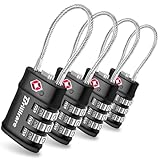
Shinkansen luggage racks and hotel cloakrooms see a lot of foot traffic. A TSA lock deters opportunists while you day-trip to Hiroshima or nap on the train.
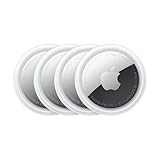
One missed connection in Japan's rail maze can send your bag to Sapporo while you head to Fukuoka. An AirTag inside the lining shows you exactly where it went astray.
Comfort & Convenience

Tokyo-LA is eleven hours. The ride to Kagoshima another six. A memory-foam collar saves your neck on both the 787 and the nose of the bullet train whipping past Mount Fuji.

Tokyo never turns off, neon leaks through even closed curtains. A molded eye mask lets you manufacture darkness so you can sleep until the fish market alarm clock rings.
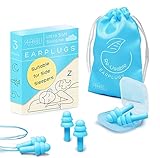
Garbage trucks rumble at 4 a.m., temple bells at 5, thin-walled business hotels echo every door slam. Foam earplugs turn the racket down to a murmur.
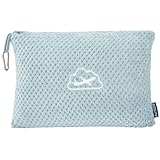
Cabin temps swing, ryokan thermostats mystify. A packable down throw folds to a paperback size and adds an extra layer on planes or when the duvet feels skimpy.

Japan's public fountains are everywhere, parks, stations, temple approaches. A silicone bottle rolls up empty, then expands to 500 ml so you can refill instead of buying PET bottles.

Spring drizzle and autumn mist arrive without warning. A 210 g umbrella stiff enough for gusty temple grounds tucks into daypack side pockets until the sky opens.

Convenience stores charge for bags, craft shops skip them entirely. A fold-flat tote hauls onigiri, sake cups, and tenugui without adding plastic to your conscience.
Outdoor & Hiking Gear

Fuji's volcanic scree and Kamikochi's river-rock trails punish knees. Collapsible carbon poles transfer weight off your joints and fold to wand size for train racks.
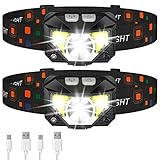
Alpine starts to catch sunrise from Misen or night walks through lantern-lit villages demand hands-free light. A 60-lumen headlamp keeps the path visible and your arms free for balance.
Seasonal Packing Adjustments
What to add or skip depending on when you visit
Spring
March, April, May
Add: Light jacket or sweater, Compact umbrella
Shop Spring essentials →Skip: Heavy winter coat, Thermal base layers
Cherry-blossom days flirt with 20 °C, but twilight drops fast. Pack a light fleece and that pocket umbrella for the spit of rain that often arrives with the breeze.
Summer
June, July, August
Add: Lightweight, breathable clothing, Extra quick-dry underwear, High-capacity power bank
Shop Summer essentials →Skip: Any heavy fabrics, Bulky sweaters
July and August feel like breathing through a wet sock. Merino or synthetic tees dry before you leave the station. Expect your phone to guzzle battery while you hunt Pokémon in 90 % humidity.
Autumn
September, October, November
Add: Medium-weight layers, Scarf, Sturdy walking shoes
Shop Autumn essentials →Skip: Summer-only shorts, Minimalist sandals
Maple season tricks you, sun on scarlet leaves feels balmy, shadows turn cold. Dress in layers and lace shoes that grip both subway grates and leaf-slick park paths.
Winter
December, January, February
Add: Insulated coat, Thermal gloves, Warm hat, Heavy socks
Shop Winter essentials →Skip: Lightweight umbrellas (swap for sturdy one), Collapsible water bottle (metal may freeze)
January wind slices through fashion. Pile on insulation, north of Tokyo or anywhere above 500 m. Your umbrella doubles as a shield against sleet or sideways snow.
Luggage Recommendation
Pack a carry-on spinner or a 40 L backpack. Either size slips through narrow train aisles, into tight hotel rooms, and up crowded escalators, and smooth wheels save your arms on Japan's endless pavement.
Shop Carry-On Luggage on AmazonPro Packing Tips
Practical advice from experienced travelers
Don't Pack
- Leave the jumbo salon bottles at home. Don Quijote sells 200 ml replacements for ¥400, stock up in Shibuya and save the weight.
- Ryokan towels are fluffy and replaced daily. Hotel ones are thick enough to double as yoga mats. If you need lighter, grab a microfiber version at Tokyu Hands for ¥1,000 after you land.
- One digital guide lives on your phone. Paper bricks just ballast. Leave the shelf of books behind and let your thumb do the heavy lifting.
- Skip the suitcase full of everyday tees. Uniqlo stores blanket Japan, and their inexpensive, well-cut basics are there if you run short.
- Bulky, breakable souvenirs eat luggage room. Save the space and pick up regional ceramics or hand-dyed textiles as you go.
Buy Locally
- Buy your Japan Rail Pass before you land; it's only sold overseas. Once you arrive, grab Suica or Pasmo IC cards from any major station ticket machine.
- Need a mask? Pharmacies and Lawson convenience stores stock them by the carton, handy for packed rush-hour trains or spring pollen.
- Track down Kyoto matcha sweets or Hokkaido milk candies in the depachika, department-store food basements, where the best regional treats are lined up by the register.
- When your travel umbrella snaps, duck into Daiso or any 100-yen shop; slim, smart umbrellas cost a single coin and fit in a tote.
Packing Hacks
- Roll clothes instead of folding to save space
- Pack shoes in shower caps to protect clothes
- Use packing cubes to stay organized
- Keep essentials in your carry-on
Continue Planning Your Trip
More guides to help you prepare