
Nightlife in Japan
Where to go, what to expect, and how to stay safe after dark
Bar Scene
What to expect when you head out for drinks.
¥500 gets you a beer and a snack at a tachinomi. Total bargain. Japan's bar scene runs wider than most visitors expect, one minute you're wedged into a smoky izakaya knocking back rounds of yakitori and sake, the next you're perched at a marble counter watching a bartender carve a single, perfect sphere of ice like he's training for battle. The izakaya isn't fancy; it is the after-work engine room where salarymen decompress over shared plates and beer. Food and drinks arrive in waves, the check lands all at once. Simple. Efficient. Loud. Then come the cocktail temples, dim, quiet, obsessive. Japanese bartenders treat mixing like a martial art. Every jigger, every stir counted. You'll sip a drink that took three minutes to build and tastes like it took three years to master. Between those poles sits everything else. Standing bars (tachinomi) where ¥500 buys a beer and a handful of edamame. Whisky bars stocked with bottles you won't see outside Japan, rare Yamazaki, impossible Hibiki. And the snack bars: tiny lounges run by a mama-san who pours shochu, keeps conversation flowing, never plays music. The entertainment is talk. The vibe is intimate. Craft beer? Exploded in the last decade. Excellent taprooms now dot every major city. You'll find IPAs brewed in Kyoto, stouts from Sapporo, lagers that rival anything in Munich. The scene is young, hungry, and growing fast.
Clubs & Live Music
The dance floors and live stages worth knowing about.
Tokyo takes clubbing as seriously as a tax audit. The city's electronic circuit, anchored by Womb in Shibuya and Contact, also in Shibuya, books globe-trotting DJs and rigs sound that can stand toe-to-toe with Berlin or Amsterdam. Osaka keeps pace. Its nightlife clusters around Shinsaibashi and Amerika-Mura, and the crates run just as deep. Live music? Ubiquitous. Jazz took root after the war and never left, every major city has at least one smoky room where the horn lines still feel urgent. Rock and indie bands cram into 'live houses' nightly, while the J-pop idol machine parks its stages in Akihabara. One footnote: the notorious Fūzoku Eigyō Hō once banned dancing. The law was revised in 2015, and the scene has exploded since.
Late-Night Food
Where to eat when the bars close.
Midnight in Japan, and you're still hungry. Good. Ramen shops rule the night, many in central Tokyo and Osaka won't close until 3 or 4am. A bowl of tonkotsu or shoyu at midnight? Perfect. Convenience stores, 7-Eleven, Lawson, FamilyMart, serve hot food 24/7. That 2am konbini onigiri? Respectable choice. In Fukuoka, yatai stalls line the Nakasu riverbank and stay open late. Gyudon chains, Yoshinoya, Sukiya, never close. Night owls and budget travelers swear by them.
Best Neighborhoods
Where the nightlife concentrates.
Kabukicho is the loudest block on the planet, hostess bars, clubs, izakayas, and pachinko parlors stacked five stories high. This is Tokyo's undisputed epicenter of nightlife, one of the densest entertainment districts on earth. Golden Gai flips the script. A warren of narrow alleys hides 200 tiny bars, each holding maybe eight people, each with its own distinct personality. Most travelers find it far more interesting. Omoide Yokocho, Memory Lane, sits nearby, a smoke-filled strip of yakitori stalls that feels unchanged since 1975. You could spend a week in Shinjuku after dark and not repeat yourself.
Shibuya skews younger and louder, major club venues Womb and Contact anchor a scene that runs deep into electronic and hip-hop. The area around Udagawacho and Dogenzaka stacks bars and live houses for students and young professionals. Walk ten minutes and you'll hit Daikanyama, immediately calmer, noticeably cooler. Craft cocktail bars. Vinyl record shops that stay open late. The Unit venue for live music. This neighborhood rewards wandering.
Osaka's nightlife squeezes itself into the narrow band between Namba and Shinsaibashi, and the energy hits different, louder, wilder, built around plates as much as pints. Dotonbori threads along the canal, neon signs flashing, crowds pressing in like a friendly tide. Step sideways into Amerika-Mura, America Village, where the kids run the show: clubs throb, record sleeves flip, ¥500 bars pour cheap whiskey. Here the unspoken law is simple, drink, eat, repeat. Skip the food and you didn't go out.
Nakameguro delivers Tokyo nightlife without the chaos. The canal-side neighborhood draws creative types, designers, photographers, music people, who pack its bars. You'll find carefully curated sake selections, excellent natural wine lists, small live performances. Ebisu sits nearby with the same energy but an older crowd. Some of Tokyo's better whisky bars live here. This is where you go when you want a great night that doesn't feel like a great night out.
Kyoto's nightlife is quieter than Tokyo or Osaka. But it has a particular atmosphere you'll find nowhere else. Pontocho is a single narrow alley running parallel to the Kamo River, lined almost entirely with restaurants and bars that back onto the water, in summer, platforms extend over the river for outdoor dining. Gion has atmospheric sake bars and occasional live shamisen music in venues that feel unchanged from several decades ago. Temper your expectations if you're after clubs or late nights, Kyoto closes earlier. But if the appeal is atmosphere and excellent sake, it delivers.
Practical Info
The details that help you plan your night out.
Staying Safe at Night
Practical advice for a worry-free evening.
- ✓ Missing the last train will cost you more than any mugger in Japan. Tokyo's subway and JR lines shut down between midnight and 12:30am, note your line's final departure the moment you arrive. Otherwise, you'll be budgeting for a taxi home. They're metered, legitimate, and expensive.
- ✓ Roppongi after midnight. Touts circle outside clubs like sharks, some bars here run date-drug rackets or jack up tabs ten-fold. If a stranger grabs your sleeve and steers you toward neon, don't break stride. Keep walking.
- ✓ Drinks get spiked in Tokyo, rare, yet real. Roppongi. Kabukicho. Tourist magnets. Keep your glass in hand. Don't accept cocktails from strangers. Simple rules. They'll save your night.
- ✓ Night taxis run the meter, no gouging, period. English? Not guaranteed. Keep your hotel's address in Japanese on your phone. It is useful.
- ✓ You can puke on the last train, or miss it and nap on the platform. But Japanese society won't forgive public drunkenness. Stay composed in public. It's expected, and it is simply smart.
- ✓ Japan still runs on cash. No cards at many small bars, izakayas, late-night ramen shops. The 7-Eleven ATM will save you, foreign cards work when bank machines won't.
Book Nightlife Experiences
Top-rated evening activities you can book now.
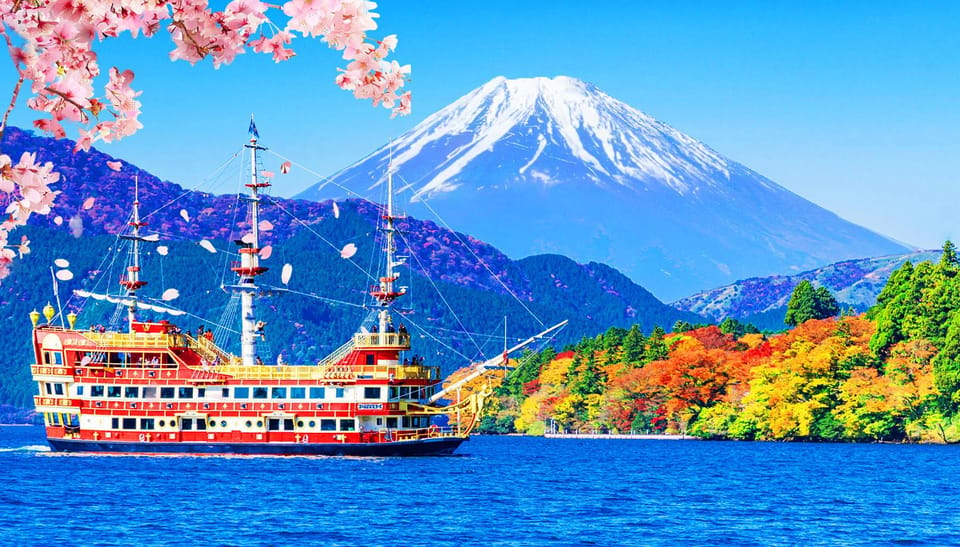
Mt. Fuji Tour, Hakone Ropeway, Owakudani, Lake Ashi
Start a scenic journey to explore Mt. Fuji
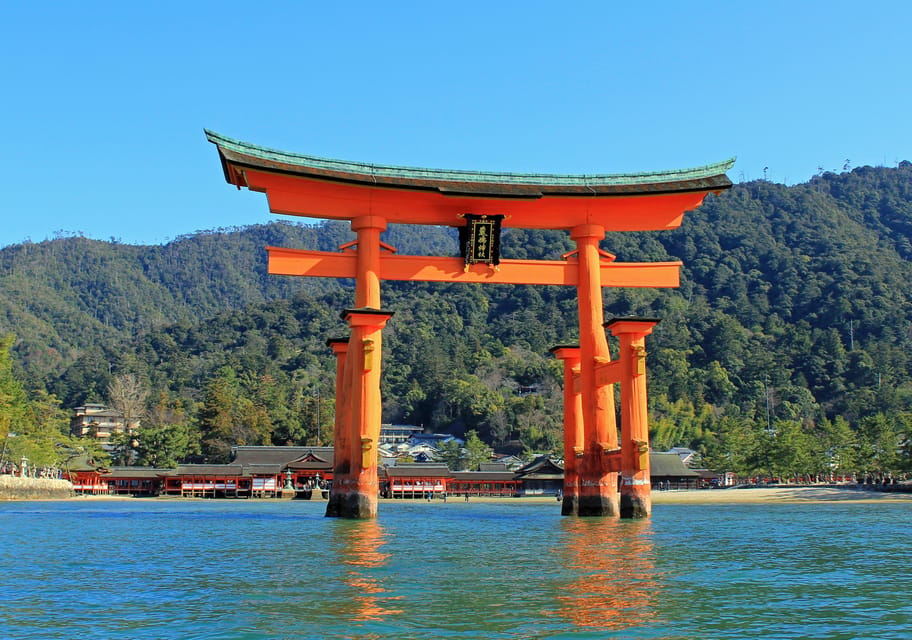
Hiroshima and Miyajima UNESCO Sites 1-Day Tour
Join us on an enriching day tour of Hiroshima
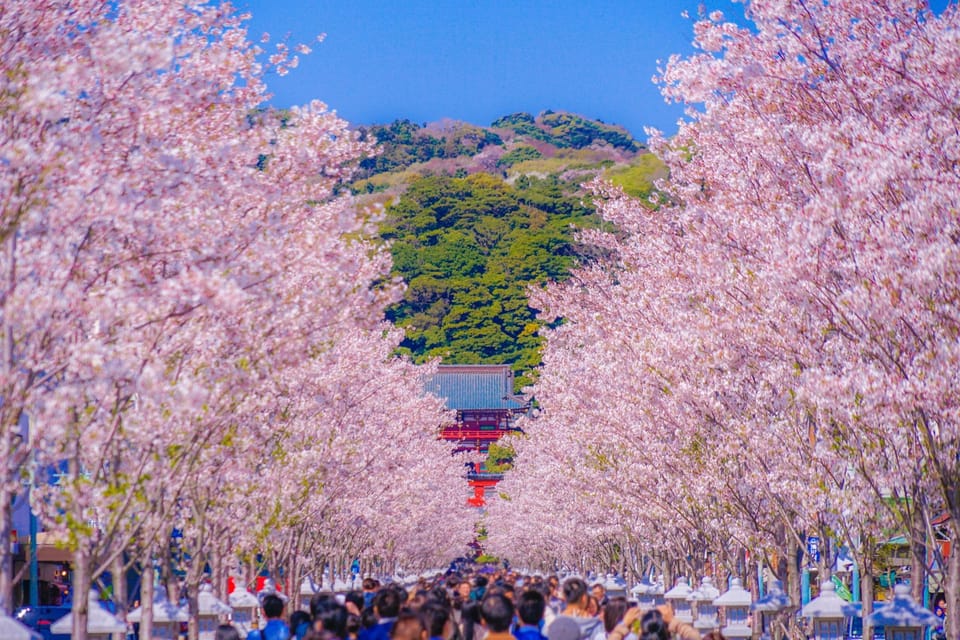
Kamakura & Enoshima Day Trip including Temple Tickets
Discover Kamakuras highlights including the Great Buddha
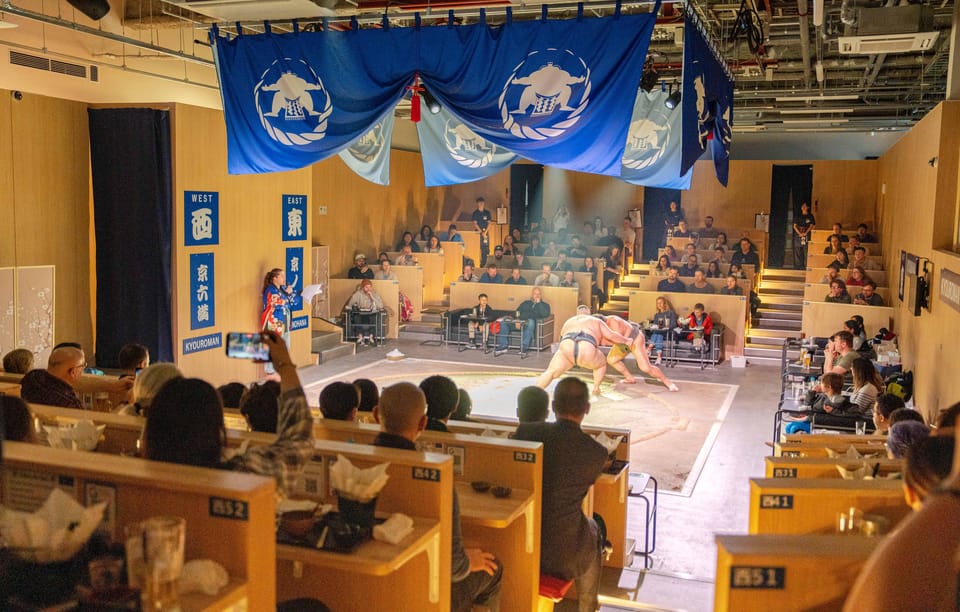
Sumo Show Experience with Chicken Hot Pot & Souvenir
Experience the world of sumo in Kyoto with a live entertainment show.

Cozy Tokyo Class: Ramen, Sushi, Sake Pairing & Cultural Exchange
At Ramen Cooking Tokyo, we offer an immersive cooking class that goes beyond cooking, emphasizing genuine cultural exchange. Our English-friendly Japanese hosts warmly welcome guests into an intimate,
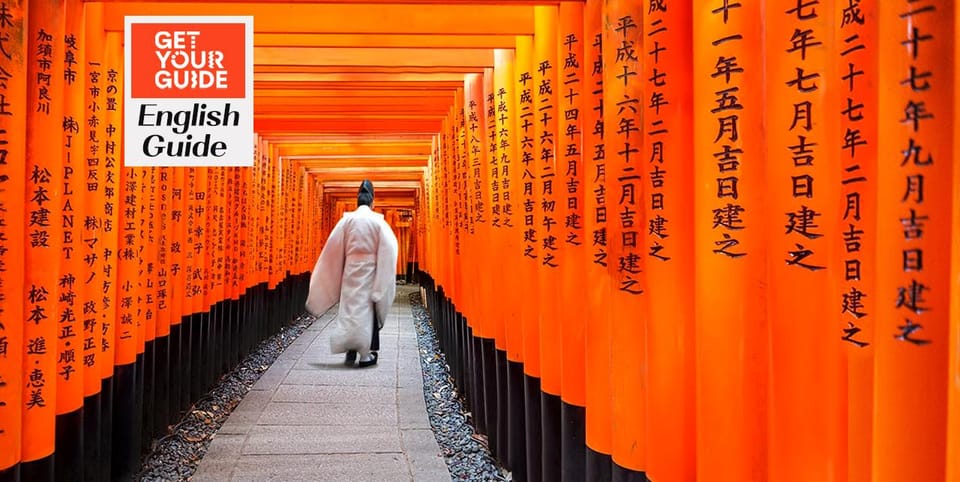
Kyoto/Osaka: Nara, Fushimi Inari Taisha, Arashiyama Bus Tour
Join a tour from Osaka or Kyoto. See Naras tame deer
Want the full safety picture?
Our safety guide covers health, scams, transport, and emergency contacts for Japan.
Explore Activities in Japan
Didn't see anything interesting yet?
Browse Viator's full catalog of tours, day trips, food experiences, and private guides in Japan.
See All Japan Tours on Viator