
Things to Do in Japan in December
December weather, activities, events & insider tips
December Weather in Japan
Temperature, rainfall and humidity at a glance
Is December Right for You?
Weigh the advantages and considerations before booking
- + Winter illuminations peak in December, and Japan scales them so large they freeze people mid-stride. Nabana no Sato in Nagashima, a 3.8-million-LED tunnel stretching 100 m (328 ft) and pulsing through slow color cycles, runs through late February. Yet December crowds spot't reached their Valentine's Day increase. In Tokyo, the Marunouchi Illumination turns the zelkova-lined street between Tokyo Station and the Imperial Palace into a 1.2 km (0.75 mile) corridor of gold after dark. The cold air, typically 5-8°C (41-46°F) by 6pm, makes the lights sharper and the warm canned coffee from vending machines taste better than it has any right to.
- + Late November flips the switch: Hokkaido and the Japanese Alps wake up. December is the sweet spot, best powder of the year before weekend crowds swarm in. Niseko on Hokkaido pulls down around 15 m (49 ft) of snow every season, and early December still coughs up base-building dumps with lift queues half January's length. The snow itself, famously dry, light 'Japow', comes from cold Siberian air sucking moisture off the Sea of Japan. Different texture. Different ride. You feel it the moment your skis touch down.
- + December invented onsen culture. Simple logic: you slide into a 42°C (108°F) outdoor bath while snow piles on the rocks and your breath fogs in -5°C (23°F) air. Words fail until you've done it. The rotenburo at ryokan in Hakone, Beppu, or Noboribetsu are, frankly, the single best reason to visit Japan in winter, nothing else comes close.
- + December 1-20 is Japan's sweet spot. Prices drop everywhere, until December 27, when the New Year stampede hits. Kyoto hotels you couldn't touch in November? They're wide open. The maples are bare, yes. The crowds spot't arrived. Rates fall. Rooms appear. Book now, before the domestic travelers increase in.
- − December 28 through January 3 is Japan's peak domestic travel season, prices spike, shinkansen trains book solid weeks in advance, and Tokyo Station becomes overwhelming. Arrive December 27 without accommodation booked by October? You'll face a difficult situation. The oshogatsu (New Year) period sends Japanese people traveling to see family, and they don't leave much room for foreign visitors.
- − December 29 through January 3, most small restaurants, izakayas, and family-run shops slam shut. Disorienting? Absolutely. A neighborhood boasting a dozen dinner spots on December 27 might limp along with two on December 30. 7-Eleven, FamilyMart, Lawson, the convenience stores stay open. Salvation, of a sort. Venture into smaller towns or quiet streets and you'll eat simple, or you won't eat at all.
- − Sapporo's average temperature hovers around -4°C (25°F), with wind chill pushing the felt temperature toward -12°C (10°F). Hokkaido and Tohoku in December are cold in a way that requires real preparation rather than just an extra layer. Excellent for skiing, extraordinary for snow landscapes. But arriving from a warm climate with a light jacket is a poor decision.
Best Activities in December
Top things to do during your visit
Chest-deep powder, zero slog, that is Niseko on Hokkaido's western coast, Asia's best snow bet. Early December is the sweet spot: lifts spin, base builds, weekend crowds spot't hit January-February peak. Snow falls almost daily. Dry crystalline flakes sit so light you can carve through chest-deep drifts without the wet European drag. The village never sleeps, ramen shops unlock at midnight for post-ski feeds, sake bars jam by 9pm, and mountain-side outdoor baths at several lodges let you soak while staring straight at the runs you shredded that afternoon. English signage and instruction pop up more often here than almost anywhere else in Japan outside major cities. Book lodging and lift passes months ahead. The good-value rooms vanish first, long before the season opens.
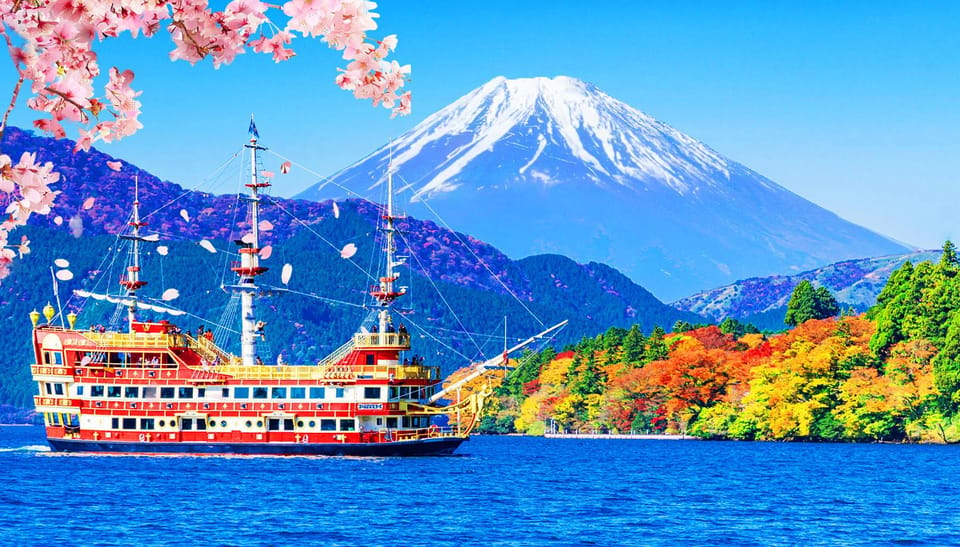
Hakone sits roughly 80 km (50 miles) southwest of Tokyo and has, by any reasonable count, more high-quality onsen ryokan per square kilometer than almost anywhere in Japan. December is likely the ideal month: the November foliage crowds have thinned, Mt. Fuji across Lake Ashi tends to be well clear (the summer haze that obscures it for months has burned away), and the contrast between cold outdoor air, typically 5-8°C (41-46°F), and a 42°C (108°F) rotenburo is at its most dramatic. On clear mornings, the reflection of Fuji in the lake is the kind of image that makes you understand why Japanese landscape painting developed the aesthetic it did. Day trips from Tokyo work logistically, but a single overnight at a traditional ryokan, with kaiseki dinner and multiple bath sessions, private and communal, is the more honest recommendation. You're paying for the unhurried time as much as the bath itself.
Mid-to-late November is the textbook Kyoto foliage peak. Yet the last maple leaves at the major temple gardens cling on through the first week of December, and the crowd drop-off is instant. Tofuku-ji, gridlocked with three-hour queues during peak week, is walkable at a normal pace by December 5th. Visitor numbers shrink to thirty percent and the same red maples still burn. The smart circuit, Tofuku-ji in the south, Eikan-do and Nanzen-ji in the eastern hills, Arashiyama's Tenryu-ji in the west, feels like a different planet in early December. Air is crisp and dry, afternoon light hangs low and golden, and the nishiki koji (Kyoto's indoor market alley) plus the tofu restaurants along the canal in Pontocho hit the perfect outside temperature. Wait until the second half of December and both prices and crowds increase again. Early December is the sweet spot.
December is when Tokyo's depachika, the basement food halls of department stores, hit their yearly stride, stocking foods that won't show up again for another 12 months. Isetan in Shinjuku, Takashimaya in Nihonbashi, and Mitsukoshi in Ginza commission artisan osechi ryori boxes starting mid-December: multi-tiered lacquerware boxes containing preserved New Year foods ordered weeks in advance. The cases display seasonal wagashi (Japanese sweets shaped as snow scenes and winter flowers), yuzu citrus in a dozen forms, and specialty pickles and preserved fish that most travelers never encounter. Even if you're not buying, walking through a major depachika in mid-December, when the year's most elaborate seasonal displays are up and the smell of dashi broth and sweet mochi mingles with the cold air coming through the revolving doors, is worth an afternoon. Food-focused walking tours of the Tsukiji Outer Market (the remaining fish stalls outside the wholesale area, still operating) are worthwhile in December, when the cold keeps fish fresher and the crowds are thinner than they were in autumn.
The Hakuba Valley in Nagano Prefecture hosted the alpine events of the 1998 Winter Olympics. That investment still shows. Lift systems run smooth. Access from Tokyo, about 260 km (162 miles), takes a direct bus or shinkansen plus local train. Easy. December delivers the goods. Opening week buzz. Fresh-cut groomed runs. First tracks on slopes that won't be this empty again until late March. The resort waking up for the season, pure pleasure. Eleven interconnected ski resorts fill the valley. Enough terrain to explore across several days without repetition. No repeats needed. The traditional villages at the base, Hakuba and the smaller surrounding settlements, keep après-ski firmly Japanese. Not Niseko's international scene. Izakayas serve sake. Robatayaki sizzles over charcoal. No cocktail bars required.
Steller's sea eagles drop out of Russia into Eastern Hokkaido in December, one of East Asia's quietest, most extraordinary shows, while the red-crowned cranes pack the Tsurui-Ito Tancho Sanctuary for their winter feed. Endangered, over 1 m (3.3 ft) tall, pure white with a scarlet cap and a wingspan pushing 2.5 m (8.2 ft), the birds stamp out courtship dances in the snow like they've got a choreographer who insists on elegance. Kushiro lies 330 km (205 miles) east of Sapporo by road. Expect -8°C (18°F) and roads that demand either a rental car wearing studded winter tires or a guided tour. The light is impossible elsewhere: low, sideways, every crane shadow stretched long across white fields.
December Events & Festivals
What's happening during your visit
Nabana no Sato in Nagashima runs a 100 m (328 ft) LED tunnel, about 25 km (15.5 miles) from Nagoya, that changes its large-scale scenic projection annually. Japan's major winter light installations run through all of December at a scale that catches first-time visitors off guard. In Tokyo, the Marunouchi Illumination lights the zelkova trees along Naka-dori from Tokyo Station toward the Imperial Palace. That's a 1.2 km (0.75 mile) walk costing nothing. Twenty minutes, if you don't stop every hundred meters for photographs. You will. Roppongi Hills Keyakizaka turns the hill's approach into a tunnel of cool-white lights. These events are organized. Orderly. Reliable. Crowds stay manageable on weeknights. Heavier on weekends.
200,000 strangers pack the Yurikamome monorail by late morning, Tokyo Big Sight on Odaiba, late December, 28-31. Three to four days, world's largest self-published manga and anime convention. Tolerance for proximity helps. Lines form at 5am for the hottest doujinshi. Inside, creator circles sort themselves by genre and fandom; outside, cosplay stages its own riot. One hour, maybe two, and you'll grasp anime subculture, or at least watch chaos run on perfect internal logic.
Forget fireworks, December 31st in Japan is ritual first, party second. The parties still erupt, in Roppongi and Shibuya. But the real pulse is elsewhere. At 11:30 p.m. you'll be slurping toshikoshi soba, the long buckwheat strands promising a long life, then pulling on your coat for hatsumode, the first shrine visit of the year, ideally struck at 12:01 a.m. Meiji Jingu in Tokyo swallows three million visitors across the first three days of January. Hit the gate at midnight and you'll shuffle an orderly two-hour queue to reach the main hall. Incense drifts, cold air bites, geta clack on stone, the crowd moves like a single slow drum. Skip the stadium lines, neighborhood shrines run the same rite, same bell, same fortune slip, a tenth of the wait.
Packing Checklist
Bookmark this page — your progress is saved between visits
Essential Tips
Insider knowledge and common pitfalls to avoid
Book Experiences in Japan
Top-rated things to do in Japan this December

Didn't see anything interesting yet?
Browse Viator's full catalog of tours, day trips, food experiences, and private guides in Japan.
See All Japan Tours on Viator