
Things to Do in Japan in January
January weather, activities, events & insider tips
January Weather in Japan
Temperature, rainfall and humidity at a glance
Is January Right for You?
Weigh the advantages and considerations before booking
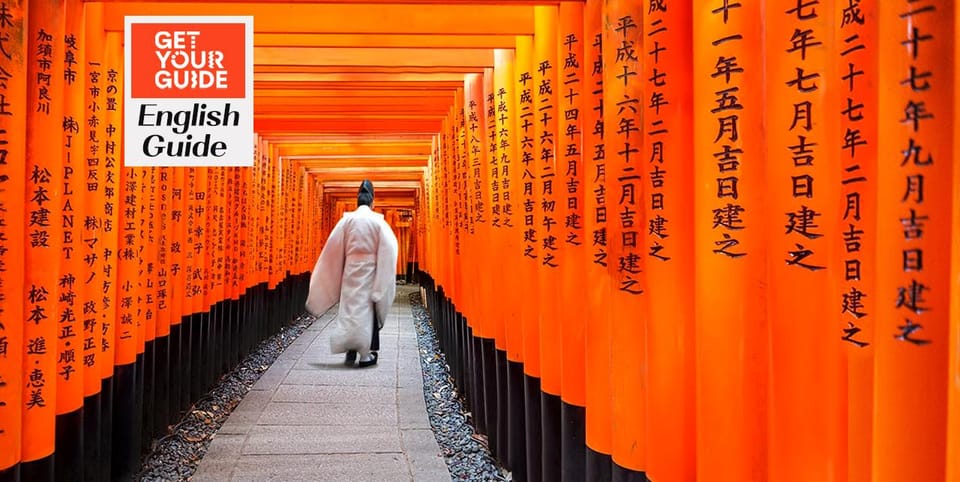
- + Crowds vanish after mid-January. At Fushimi Inari, the stone lane under 10,000 vermilion torii, normally a forced march behind flag-waving groups, turns into a private arcade you can pace alone. Kinkaku-ji, Kyoto's most photographed site, empties on January weekday mornings; you'll get 15 minutes without a single tourist breaking your frame.
- + 15 days, one arena: the January Grand Sumo Tournament, the Hatsu Basho, locks Ryogoku Kokugikan in Tokyo into a calendar slot the capital gets only three times a year. Weekday mornings, day-of tickets for upper tiers and standing room still sell, walk up, pay, sit. The Yokozuna entrance ceremony, champion stomping the clay ring in full ceremonial rope belt and white tasseled regalia, delivers the most visually striking moment in Japan. No television feed prepares you for the live thud.
- + 15 m (49 ft) of snow. That is what Niseko, Hokkaido, averages each season, most of it dry, light powder born when Arctic air races across the Sea of Japan from Siberia and drops its load in January and February. January is the sweet spot: the December base has set, snowfall peaks, and the Australian school-holiday invasion that clogs mid-February still hasn't landed. Serious powder skiers book their Japan hit right here.
- + January hands you Mount Fuji at its sharpest. The cold, dry Pacific air that locks Honshu's Pacific coast into winter keeps the horizon knife-edge clear. Japan's highest mountain, 3,776 m (12,388 ft), wears its full winter snowcap like armor. Stand on Kawaguchiko's north shore: the symmetrical cone mirrors itself in water so still it looks carved from glass. These aren't Instagram filters. This is just January. Tokyo locals still stop. Free observation decks, the Bunkyo Civic Center tops the list, frame the mountain above the Kanto Plain on most clear mornings. Even after years in the capital, people pause. The sight still works.
- − January 1-3 is the heaviest domestic travel period of the year. It reshapes Japan around you in ways that catch first-time visitors off-guard, completely. Bullet trains sell out weeks ahead for this window. Ryokan near major shrines charge rates equivalent to their spring cherry blossom peak. Many small restaurants, independent shops, local cafes, and some museum wings close entirely through January 3rd. Convenience stores become your reliable meal option. Meiji Shrine in Tokyo sees roughly 3.2 million visitors in those first three days alone.
- − Skip the ski resorts and New Year chaos, Japan goes quiet. Coastal towns shutter half their attractions. Winter hours kick in. The buzz of Kyoto's Gion district in October? Gone. January replaces it with silence so complete it feels like someone let the air out.
- − 3°C (37°F) sounds harmless, until you're shivering through it. Tokyo's temples, shrines, and historic structures stay unheated. The unglazed corridors of Tofuku-ji bite harder than you'd expect. Queue for hatsumode at a major shrine for 45 minutes at 4°C (39°F), the paper forecast won't help you now. Wind off the Kanto Plain slices through fashion jackets like they're tissue. Pack a proper insulated coat or you'll spend January huddled in cafes, counting the minutes until your fingers thaw.
Best Activities in January
Top things to do during your visit
January in Niseko dumps powder so light it won't stick to your jacket, Siberian air crossing the Sea of Japan turns snowfall into something closer to smoke. The flakes don't pack; they cushion. Skiers used to heavy Alpine or Sierra cement will feel the difference on their first turn: the snow slows you, forgives you, then puffs away like dust. Niseko, on Hokkaido's western coast, has built a global reputation on this quality alone, and the numbers back it, weekly accumulations keep the resort in every "best snow" list. Niseko United links four areas, Annupuri, Niseko Village, Grand Hirafu, and Hanazono, across 900 ha (2,200 acres). A backcountry gate system opens off-piste terrain. Hire a local guide and you'll earn faceshots untracked for days. Night skiing runs most evenings until 9 PM, floodlights carving white tunnels through the birch. Village infrastructure, now run by a half-Japanese, half-Australian crew, handles English without a blink. Drive 90 km (56 miles) northeast of Sapporo and you'll hit Furano. Same cold smoke, far fewer boots, and a resort vibe that still feels Japanese.
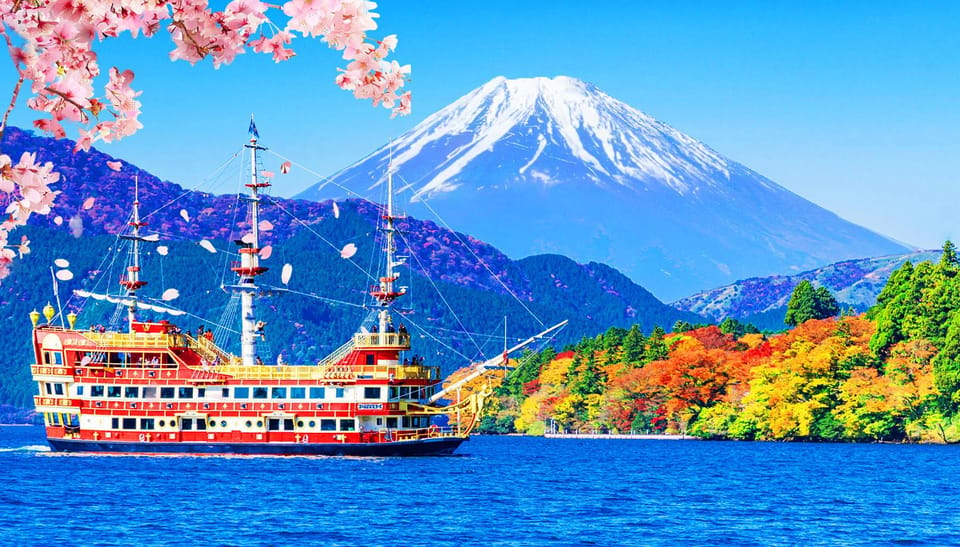
January in a rotenburo is survival gear. Air 4°C (39°F), breath visible. Water 41°C (106°F), steam curling like smoke. You didn't know you needed this until you did. Hakone, 80 km (50 miles) southwest of Tokyo on the Romancecar from Shinjuku, is the capital's easiest major onsen escape. On clear mornings Mount Fuji stares back across Lake Ashi, winter air polishes the view to glass. Kusatsu Onsen in Gunma, 150 km (93 miles) northwest, gets just enough snow to blanket the yubatake, the village's open-air hot spring field. Sulfurous steam punches through white roofs. Surrounding peaks look storyboarded. It is as cinematic as Japan gets. A ryokan evening follows script: tatami, yukata, gender-segregated bath, no swimwear. Dinner is an 8-10 course kaiseki marathon, two hours, winter-only loot. Snow crab, tofu drifting in dashi, river fish charred over coals. These ingredients don't show up once the weather turns. Kinosaki Onsen in Hyogo, three hours from Osaka by limited express, keeps seven public baths humming. A lantern-lit street stitches them together. Guests clatter along in yukata and wooden geta no matter how low the mercury drops.
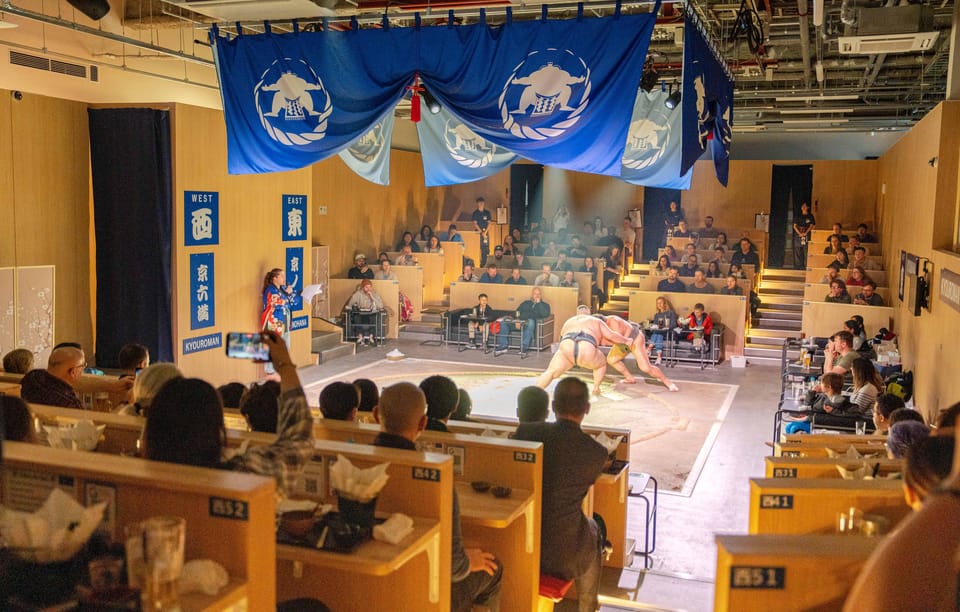
The January Grand Tournament runs 15 days at Ryogoku Kokugikan, the 13,000-seat sumo arena in east Tokyo's Sumida ward. In 2026, the tournament runs approximately January 11-25. The day starts around 8 AM with the lowest-division wrestlers warming up in near-empty stands. The atmosphere builds through the afternoon as divisions ascend toward the top-ranked bouts, which begin around 3:30 PM with the full arena packed by 5 PM. The final bouts of the day, the last 10 wrestlers of the highest Makuuchi division, close around 6 PM in an atmosphere that's electric when a championship is on the line. The Yokozuna entrance ceremony, in which the champion performs a slow ritual of rope-belt display and earth-stamping that dates back three centuries, is one of the things you simply cannot replicate on screen. The Ryogoku neighborhood surrounding Kokugikan has a concentration of chankonabe restaurants, the protein-heavy hot pot stew sumo wrestlers eat to build mass, where a dinner that takes two hours and involves a succession of chicken, tofu, and vegetable broth courses will leave you understanding something about the sport's physical demands. The stew is heavier than it looks, and the portions are not modest.
Kyoto in January flips the city on its head. The Philosopher's Path, that 2 km (1.2 mile) canal-side walkway from Nanzen-ji to Ginkaku-ji, becomes a 30-minute shoulder-to-shoulder shuffle in April. Come January on a weekday morning? You'll walk the whole thing and spot maybe twelve people. Total silence. The bare cherry trees, those same ones that'll be mobbed in bloom, trace dark, graphic lines against pale winter sky. The canal looks better this way. Snow hits Kyoto five or six times yearly, with January or February giving you the best odds. Light snowfall on Kinkaku-ji? Magic. Snow-dusted pine branches reflect in the mirror pond below the gold-leaf exterior, an image the spring crowds make nearly impossible to photograph cleanly. Fushimi Inari's 4 km (2.5 miles) of torii gates to the summit, normally a crowd-navigation nightmare, clears on January mornings. Quiet enough to hear wind through the gates. The hike to 233 m (764 ft) summit takes about 90 minutes round trip and looks nothing like those promotional shots. Arashiyama's bamboo grove clicks in cold wind, audible in January in ways it simply isn't when surrounded by visitors. One of the better arguments for choosing Kyoto in winter.
January delivers the sharpest views of the year. The mountain stays closed to climbers from September through late June. But the cold, dry Pacific air slices visibility clean, summer's humid haze can't compete. From Kawaguchiko, the easiest reached of the five lakes on Fuji's northern flank, the classic reflection appears most January mornings from the north shore: the symmetrical cone, 3,776 m (12,388 ft) of rock and snow, doubled in still water. The Fuji Subaru Line stays open year-round, lifting visitors to the 5th Station at 2,305 m (7,562 ft). From here the summit looks close, close enough that the actual distance feels impossible. You can't reach the top in January without mountaineering gear and serious experience. But the views south over the Izu Peninsula and east toward Tokyo on clear days will scramble your sense of scale. Kawaguchiko village goes quiet in January. The main lakeside street, normally choked with tour buses, moves slow enough that the surrounding mountains press closer. Drive 30 minutes east to Lake Yamanaka, by mid-January the ice usually holds. Heated tents dot the surface, anglers drop lines through augured holes, and when night temperatures plummet the lake groans beneath your boots.
Tsukiji Outer Market, the retail complex and restaurant strip that stayed in Chuo ward after the wholesale fish auction shifted to Toyosu in 2018, runs all year. Yet January is its knockout month. Salt water, fresh sea urchin on ice, and the ammonia bite of live shellfish fill the lanes. Vendors start early: arrive by 6 AM and you'll witness the real morning trade. January means snow crab (zuwaigani) and oysters at peak. Stalls in the eastern section shuck oysters while you lean over a plastic counter armed with chopsticks and a small bottle of ponzu. Tsukiji melts into Ginza about 1 km (0.6 miles) east, setting up a classic Tokyo day: fish guts and ice at 7 AM, the surreal polish of Ginza's department store windows by 11 AM. Deeper in the city, the depachika, basement food halls of giants like Isetan in Shinjuku and Takashimaya in Nihonbashi, stock their winter peak in January: towers of winter confectionery, prepared nabe sets for home cooking, wagyu marbling that photographs well and tastes better. Evening in Koenji or Shimokitazawa in western Tokyo means izakayas that refill once locals return from New Year travel, basement rooms, low wooden tables, the sour-sweet haze of yakitori smoke, house shochu in ceramic cups.
January Events & Festivals
What's happening during your visit
3.2 million people. That's how many cram into Meiji Jingu in Harajuku during the first three days of the year. The Japanese New Year isn't a party, it's January 1-3, the country's most significant domestic holiday, and it reshapes everything. Hatsumode is why you came. First shrine or temple visit of the year. Enormous crowds, yes, but the ritual weight makes it worth the crush. At Meiji Jingu, you walk through cedar forest lined with sake barrels donated by breweries. Pilgrims in formal kimono file past. The solemnity survives even the density. January 1st? Expect 45-90 minutes just to reach the main hall. Total chaos. Still worth it. Skip the masses. Nezu Shrine in Yanaka or Yanagishima Myoken-ji in Sumida ward deliver the same experience with neighborhood crowds instead of national pilgrims. Much calmer. New Year's Eve brings joya no kane, temples ring their bells 108 times to eliminate earthly desires. Zojo-ji in Shiba, with Tokyo Tower glowing red behind it, offers one of Tokyo's better listening spots. Many attend midnight bell ceremonies then walk straight to nearby shrines for immediate hatsumode. Moving through cold dark in collective quiet, strange, beautiful, utterly Japanese.
The first of six annual grand tournaments takes place at Ryogoku Kokugikan in Tokyo for 15 consecutive days each January, in 2026, running approximately January 11-25. Sumo's governing body, the Japan Sumo Association, announces exact dates in December. The format hasn't changed in decades: 15 days of bouts where top wrestlers compete daily, with the championship usually decided on the final afternoon. The Hatsu Basho matters more than the others. First action after New Year. When the final day decides the title, if a Yokozuna is involved, the noise hits levels you won't hear at any other Japanese sporting event. The Ryogoku neighborhood around the arena packs sumo stables (heya) where morning training sometimes accepts small visitor groups through established guides. Nothing like tournament bouts. Wrestlers drill at close range. Coaches shout corrections, push when needed. You can hear 150 kg (330 lb) bodies hitting clay from the next room.
January 12, 2026, mark it. Every Japanese person who turned 20 in the previous year will be formally celebrated on the second Monday of January. The young women wear furisode, the elaborate long-sleeved kimono reserved for unmarried women at formal occasions, in colors that range from deep indigo to blush pink to gold brocade, with obi sashes tied in the elaborate otaiko knot at the back. Official ceremonies happen in local government halls through the morning. But the real show is outside: groups gathering at neighborhood shrines, parents photographing daughters in front of temple gates, clusters of young men in hakama robes or, in certain cities, in elaborately decorated suits that are a specifically contemporary Japanese phenomenon. In Tokyo, Meiji Jingu and Senso-ji in Asakusa attract large gatherings in the late morning. The day has a quality that is entirely unlike tourist-facing Japan, it is a celebration of Japanese adulthood by Japanese people, and observing it from a respectful distance, without intruding or treating participants as photographic subjects, reveals something about the country's relationship between formal tradition and contemporary youth culture that guidebooks don't quite reach.
January 24, 2026. Mark it. Nara's grass-burning festival ignites Wakakusayama, a 342 m (1,122 ft) grassy ridge that looms behind Tōdai-ji temple at the eastern fringe of Nara Koen, on the fourth Saturday of January. No one agrees why it started. One story pins it to an 8th-century land fight between Tōdai-ji and Kōfuku-ji temples. Another claims farmers just wanted to kill hillside pests. The reason hardly matters. At 6 PM sharp, monks touch torches to the slope and 33 ha (82 acres) of brittle winter grass erupts. A wall of flame climbs uphill for 30 minutes, simple, brutal, memorable. The soundtrack seals the deal: first the snap of dry blades, then a low roar when wind grabs the fire. Fireworks kick off from the summit 30 minutes earlier. By late afternoon, Nara Koen's broad paths and the lawn below the ridge are shoulder-to-shoulder. The whole show is over within an hour. Next morning, the hill still smokes. The deer of Nara Koen, normally begging crackers near the western gates, vanish. Smart.
Packing Checklist
Bookmark this page — your progress is saved between visits
Essential Tips
Insider knowledge and common pitfalls to avoid
Book Experiences in Japan
Top-rated things to do in Japan this January

Didn't see anything interesting yet?
Browse Viator's full catalog of tours, day trips, food experiences, and private guides in Japan.
See All Japan Tours on Viator